Fleet Mechanic Career: What the Job Looks Like Day to Day
TL;DR
A fleet mechanic is responsible for maintaining and repairing groups of vehicles owned by businesses, government agencies, delivery companies, and other organizations. Unlike many technicians in the car mechanic profession, fleet mechanics often focus heavily on preventative maintenance, inspections, and minimizing vehicle downtime. For students exploring how to become a mechanic, fleet maintenance offers a stable and rewarding career path with opportunities to work on a wide variety of vehicles.
A fleet mechanic helps keep business vehicles safe, reliable, and on the road. From delivery vans and utility trucks to municipal vehicles and service fleets, these technicians play a critical role in minimizing downtime and keeping operations running smoothly.
For students exploring the car mechanic profession, fleet maintenance offers a unique career path focused on preventative maintenance, diagnostics, and long-term vehicle reliability. Understanding what a fleet mechanic does day to day can help you determine whether this growing area of the automotive industry is the right fit for your career goals.
What Does a Fleet Mechanic Do?
What does a fleet mechanic do? A fleet mechanic inspects, maintains, diagnoses, and repairs vehicles owned by a company or organization to keep them operating safely and efficiently.
Unlike technicians who work primarily with individual customers, fleet mechanics often maintain dozens or even hundreds of vehicles under a single employer. Their responsibilities may include:
- Routine inspections
- Oil and fluid changes
- Brake service
- Tire maintenance
- Diagnostic testing
- Electrical repairs
- Preventative maintenance scheduling
A major goal is preventing breakdowns before they happen. By identifying issues early, fleet mechanics help organizations reduce downtime and avoid costly repairs. Fleet mechanics help keep business vehicles safe and operational.
How Is Fleet Maintenance Different From Regular Auto Repair?
How is fleet maintenance different from regular auto repair? Fleet maintenance focuses heavily on preventative service, vehicle reliability, and minimizing downtime across multiple vehicles.
In a traditional repair shop, technicians often address problems after customers notice symptoms. Fleet maintenance takes a more proactive approach.
Vehicles are serviced according to schedules based on mileage, operating hours, or manufacturer recommendations. Technicians track maintenance histories and perform inspections designed to catch issues before they become major failures.
Because organizations depend on their vehicles to operate efficiently, keeping them on the road is often just as important as repairing them. This preventative mindset is one reason fleet maintenance differs from many other areas of the car mechanic profession. Preventive maintenance is a major part of fleet service work.

What Skills Do Fleet Mechanics Need?
What skills do fleet mechanics need? Fleet mechanics need strong diagnostic abilities, mechanical knowledge, organization, problem-solving skills, and attention to detail.
Since fleet vehicles often operate on strict schedules, technicians must be able to identify problems efficiently and prioritize repairs effectively. Communication skills are also important because mechanics may coordinate with supervisors, drivers, parts suppliers, and maintenance managers.
Modern fleet vehicles increasingly rely on advanced electronics, sensors, and diagnostic systems. As a result, technicians benefit from developing strong technical skills alongside traditional mechanical knowledge.
Successful fleet mechanics also understand the importance of recordkeeping. Accurate maintenance records help organizations track vehicle performance, schedule future service, and meet regulatory requirements.
Can Automotive Training Prepare Students for Fleet Mechanic Jobs?
Can automotive training prepare students for fleet mechanic jobs? Yes. Automotive training helps students develop the technical, diagnostic, and maintenance skills commonly used in fleet service environments.
Students enrolled in auto mechanic training learn many of the same fundamentals used by fleet technicians, including brake systems, steering and suspension, engine performance, electrical systems, diagnostics, and preventative maintenance procedures.
Through hands-on automotive training, students gain practical experience working with tools, equipment, and vehicle systems found in professional repair facilities. These foundational skills can help graduates pursue a variety of career opportunities, including fleet maintenance positions.
At CATI School, students learn skills that support multiple automotive career paths while building the confidence needed to enter the industry. Automotive training helps students build skills used in fleet maintenance careers.
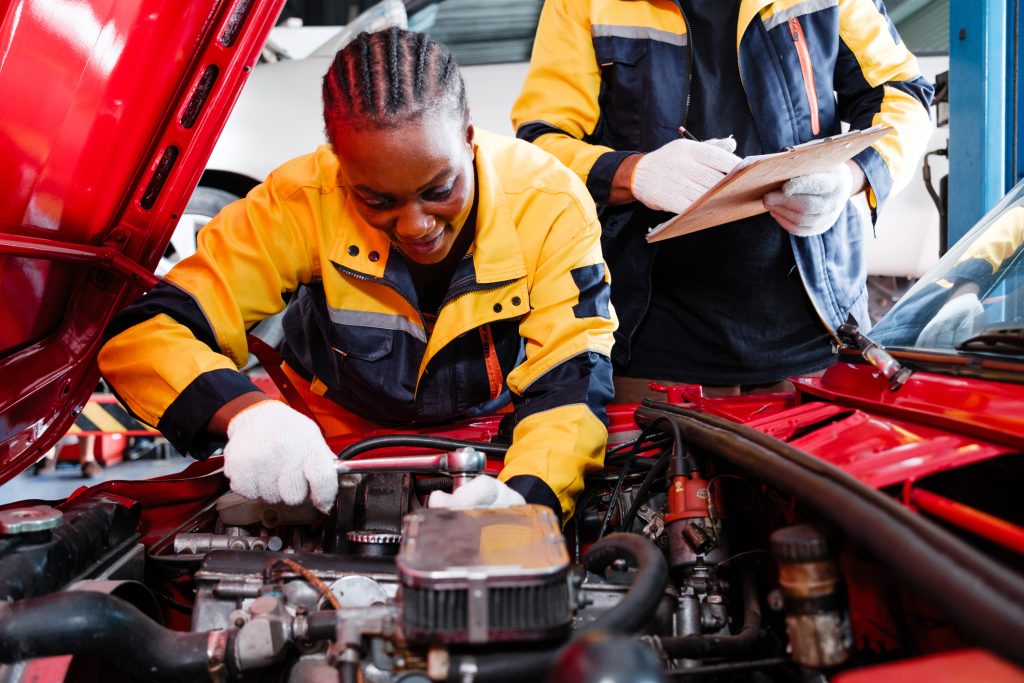
Why Fleet Maintenance Is Worth Considering
For students researching how to become a mechanic, fleet maintenance offers a unique opportunity to combine technical work with preventative maintenance planning and long-term vehicle care.
Because organizations rely heavily on their vehicles, skilled fleet mechanics play an important role in keeping operations running smoothly. The work is varied, practical, and essential across many industries.
If you’re interested in a career that combines diagnostics, maintenance, and problem-solving, becoming a fleet mechanic may be a path worth exploring.
Would you like to explore auto mechanic training opportunities at CATI School?
Contact us for more information.
Key Takeaways
- A fleet mechanic maintains and repairs vehicles owned by businesses and organizations.
- Fleet maintenance focuses heavily on preventative service and reducing vehicle downtime.
- The car mechanic profession includes opportunities beyond traditional repair shops.
- Fleet technicians need strong diagnostic, organizational, and problem-solving skills.
- Automotive training helps students develop skills used in fleet maintenance careers.
- Students exploring how to become a mechanic should consider fleet service as a potential career path.
FAQ
What Does a Fleet Mechanic Do?
A fleet mechanic inspects, maintains, diagnoses, and repairs vehicles owned by a company or organization to keep them operating safely and efficiently.
How Is Fleet Maintenance Different From Regular Auto Repair?
Fleet maintenance focuses heavily on preventative service, vehicle reliability, and minimizing downtime across multiple vehicles.
What Skills Do Fleet Mechanics Need?
Fleet mechanics need strong diagnostic abilities, mechanical knowledge, organization, problem-solving skills, and attention to detail.
Can Automotive Training Prepare Students for Fleet Mechanic Jobs?
Yes. Automotive training helps students develop the technical, diagnostic, and maintenance skills commonly used in fleet service environments.