Automotive Service Manager Career: Duties, Skills, and Shop Leadership
In Brief: The Auto Service Manager Role
Becoming an auto service manager is often a natural next step for experienced automotive professionals who enjoy leading people and solving problems. The role combines technical knowledge with customer service, organization, and leadership to keep a repair shop running smoothly. Students who build strong technical and communication skills early create a solid foundation for future management opportunities.
Many people begin their automotive careers because they enjoy working on vehicles. As they gain experience, however, some discover they also enjoy mentoring others, organizing workflows, and helping customers understand complex repairs.
That’s where the role of an auto service manager comes in. Rather than spending the entire day repairing vehicles, service managers help coordinate technicians, communicate with customers, oversee shop operations, and ensure repairs are completed safely and efficiently.
For students beginning auto mechanic training, it’s helpful to know that today’s car mechanic profession offers multiple career paths, including leadership roles.
What Does an Auto Service Manager Do?
What does an automotive service manager do? An auto service manager oversees the daily operation of an automotive repair facility while supporting both customers and technicians.
Typical responsibilities include:
- Scheduling repair work
- Assigning jobs to technicians
- Monitoring shop productivity
- Communicating repair recommendations to customers
- Managing workflow and timelines
- Supporting quality control
- Resolving customer concerns
- Promoting a safe and organized workplace
In many shops, service managers work closely with a service writer, who greets customers, prepares repair orders, and communicates updates throughout the repair process. The Government of Canada Job Bank outlines common automotive service manager duties, including coordinating service operations, supervising staff, assigning work, resolving customer concerns, and helping maintain quality standards.
What Skills Are Needed to Manage an Automotive Service Department?
Successful service managers combine technical knowledge with strong leadership and communication abilities. Important skills include:
- Leadership
- Customer service
- Time management
- Organization
- Conflict resolution
- Problem-solving
- Team communication
- Decision-making
Many service managers also perform the role of a mechanic consultant, helping customers understand inspection results, maintenance recommendations, and repair priorities in language that’s easy to understand.
Strong service writing skills are especially valuable because clear repair orders help technicians diagnose concerns accurately while keeping customers informed throughout the repair process.

Do Automotive Service Managers Need Hands-On Technical Knowledge?
Yes. While service managers may spend less time performing repairs, retaining automotive training and understanding vehicle systems remains an important part of the job.
Technical knowledge helps managers:
- Interpret diagnostic results
- Estimate repair times
- Support technicians with difficult cases
- Explain repairs clearly to customers
- Maintain quality standards
- Make informed scheduling decisions
Customers also appreciate speaking with someone who understands both the technical and customer-service sides of automotive repair.
Can Technician Training Support a Future Move Into Shop Leadership?
Yes, many service managers begin as technicians before moving into supervisory or customer-facing positions. Hands-on automotive training provides the technical foundation needed to understand repair procedures, diagnose problems, and communicate effectively with both customers and staff.
As technicians gain experience, they often develop additional skills by mentoring newer employees, assisting with workflow, or taking on greater responsibility within the shop.
At CATI school, students begin by learning the practical skills required for today’s repair industry while building habits that support long-term career growth. Whether graduates remain technicians or eventually pursue management positions, a strong technical background continues to be a valuable asset.
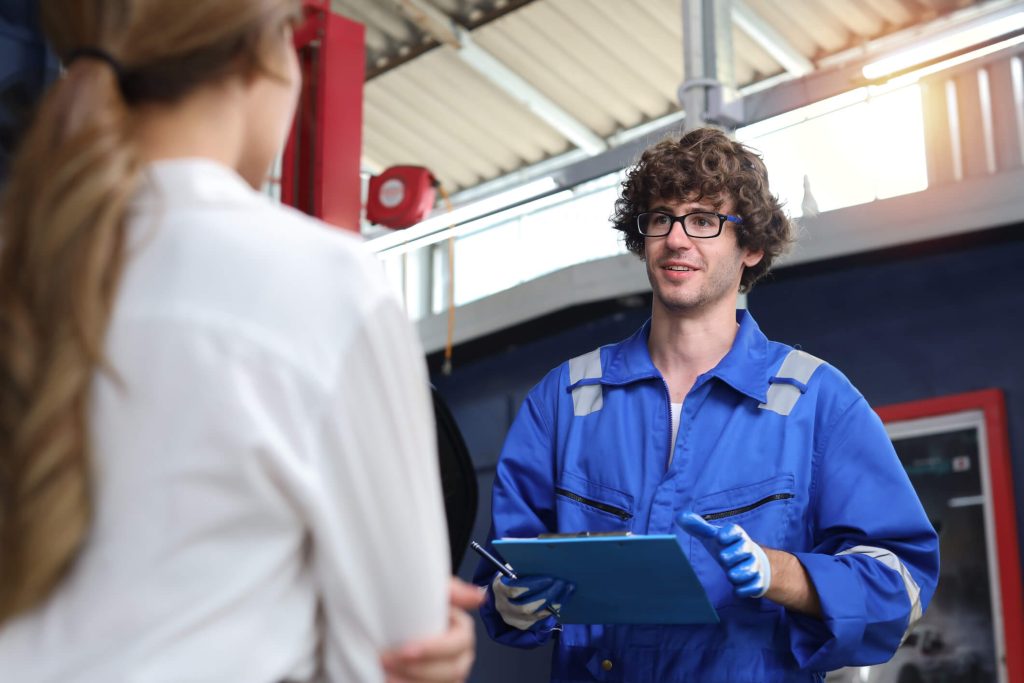
From Technician to Shop Leader
The automotive industry offers more than one career path. While many professionals enjoy working on vehicles throughout their careers, others discover opportunities to lead teams, improve customer experiences, and manage busy repair facilities.
Building strong technical skills, communication abilities, and professionalism through auto mechanic training can open the door to both hands-on and leadership roles.
Are you looking for comprehensive auto mechanic training?
Contact CATI School for more information.
Key Takeaways
- An auto service manager coordinates technicians, customers, workflow, and quality control.
- Leadership, communication, and organization are just as important as technical knowledge.
- A service writer plays a key role in customer communication and repair documentation.
- Strong service writing helps improve shop efficiency and customer satisfaction.
- Hands-on automotive training provides the foundation for future leadership opportunities within the car mechanic profession.
FAQ
What does an automotive service manager do?
An automotive service manager oversees shop operations, coordinates technicians, communicates with customers, manages workflow, and helps ensure repairs are completed safely and efficiently.
What skills are needed to manage an automotive service department?
Service managers need leadership, communication, customer service, organization, time management, problem-solving, and technical knowledge to keep the shop operating effectively.
Do automotive service managers need hands-on technical knowledge?
Yes. A solid understanding of vehicle systems helps managers support technicians, explain repairs to customers, and make informed decisions about workflow and quality.
Can technician training support a future move into shop leadership?
Yes. Many shop leaders begin as technicians, using the knowledge and experience gained through auto mechanic training as the foundation for supervisory and management roles.