Engine Thermostat Problems: Overheating, Slow Warm-Up, and Scan-Data Clues
In Brief: Bad Thermostat Symptoms: Overheating and Diagnosis
Common bad thermostat symptoms include overheating, unusually slow engine warm-up, weak cabin heat, and abnormal coolant-temperature readings. However, these symptoms can overlap with coolant leaks, sensor problems, water-pump faults, and other cooling-system concerns. Technicians use visual inspections, temperature measurements, scan data, and manufacturer specifications to confirm the cause before replacing the thermostat.
Your vehicle’s thermostat is a relatively small component, but it has an important job. By controlling coolant flow between the engine and radiator, it helps the engine reach and maintain its intended operating temperature. When it stops working correctly, the symptoms can range from a cabin heater that takes too long to warm up to a potentially serious overheating problem.
For students beginning auto mechanic training, recognizing bad thermostat symptoms is only the first step. The bigger skill is learning how to distinguish thermostat trouble from other cooling-system faults before recommending a repair.
What Does an Engine Thermostat Actually Do?
When an engine is cold, the thermostat generally restricts coolant flow to the radiator, helping the engine reach operating temperature efficiently. As coolant temperature rises, the thermostat opens so heat can be transferred through the radiator.
If this process stops happening correctly, engine temperature can move outside its intended range. However, not all thermostat failures behave the same way.
A thermostat may remain too far open, fail to open when required, or operate inconsistently. Understanding these different car thermostat problems helps technicians make sense of the symptoms they see in the shop.
Thermostat Stuck Open Symptoms Can Be Easy to Miss
A thermostat stuck open may allow coolant to circulate through the radiator before the engine has properly warmed up. Unlike an overheating problem, this may not immediately feel urgent to the driver.
Common thermostat stuck-open symptoms can include slow engine warm-up, weak cabin heat in cold weather, or a temperature gauge that stays unusually low. Depending on the vehicle, the engine computer may also recognize that operating temperature is not being reached as expected.
During automotive training, students learn why operating temperature matters. Modern engine-management systems rely on temperature information when controlling fuel delivery and other functions, making proper cooling-system operation important beyond simply preventing overheating.
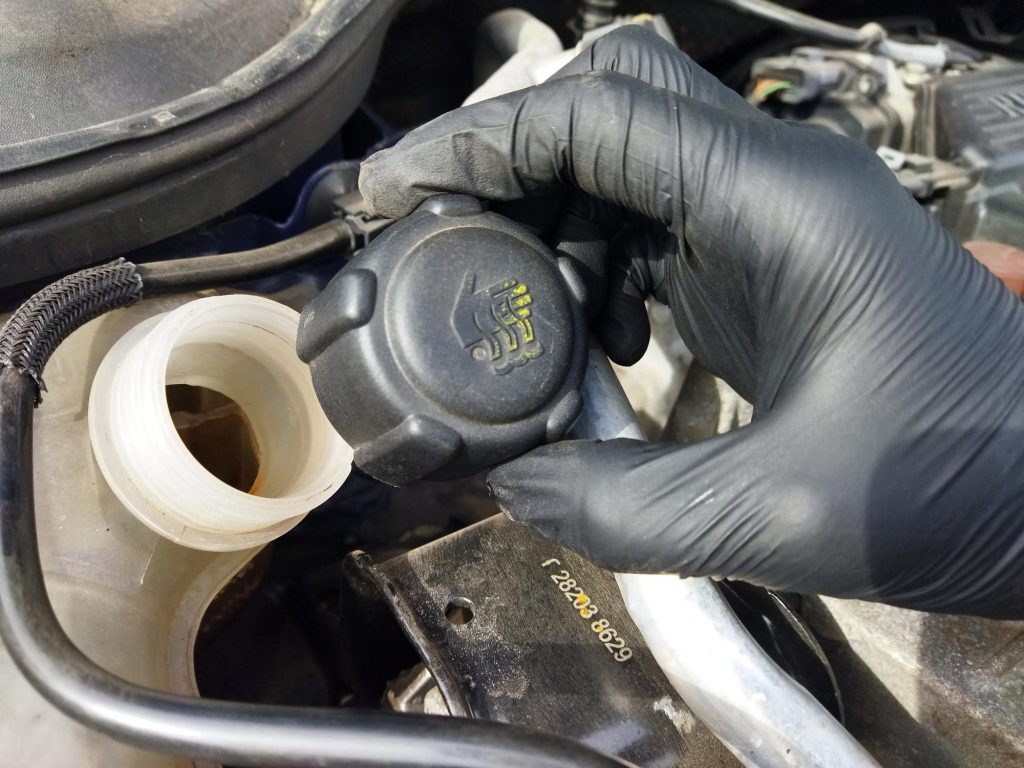
What Happens When the Thermostat Stays Closed?
A thermostat that fails to open presents a different concern. Coolant may not circulate through the radiator effectively, allowing engine temperature to rise rapidly.
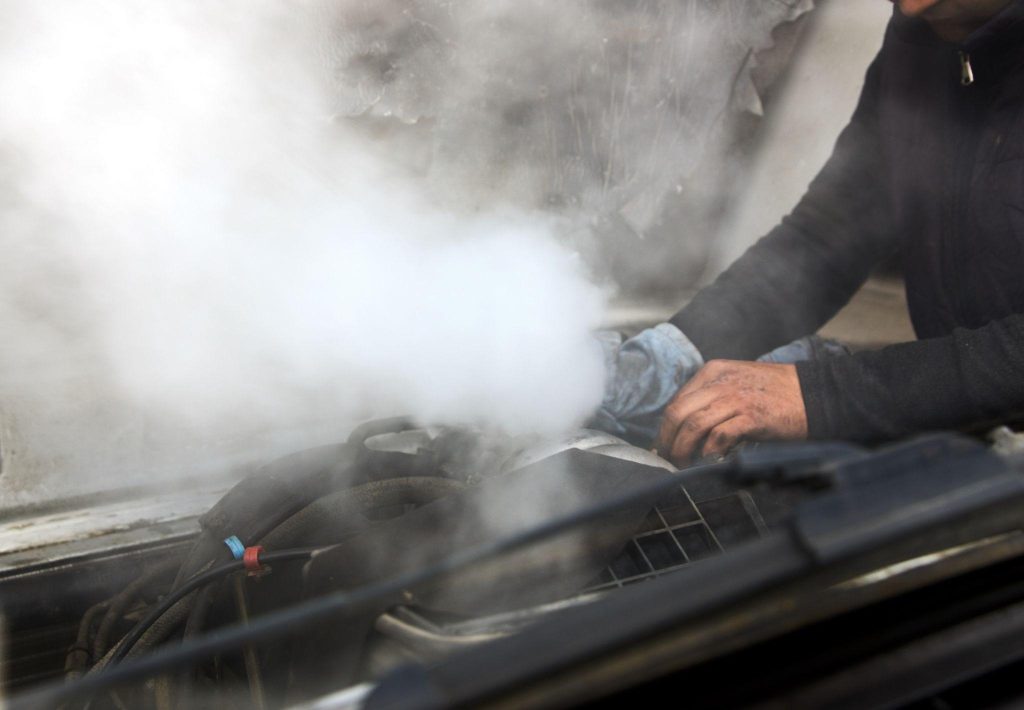
Engine overheating due to thermostat failure can potentially cause significant damage if the vehicle continues operating while excessively hot. Drivers may notice a rising temperature gauge, an overheating warning, or other signs that cooling-system performance has deteriorated.
Still, overheating alone does not prove the thermostat has failed. Low coolant, a leak, radiator airflow problems, a damaged water pump, or other faults can create similar symptoms.
NAPA Canada’s guide to common heating and cooling issues notes that overheating can involve thermostat failure, radiator blockage, heater-core blockage, fan problems, or water-pump concerns, which is why technicians confirm the cause before replacement. Technicians need evidence before replacing parts.
Scan Data Adds Another Diagnostic Clue
Modern vehicles give technicians another valuable source of information: live data.
Using a scan tool, a technician can monitor the coolant-temperature information reported to the engine control module. They can observe how quickly temperature rises from a cold start and whether it stabilizes near the expected operating range.
Unusual temperature behaviour can provide useful clues. However, scan data must be interpreted alongside other findings. A faulty coolant-temperature sensor or wiring issue, for example, could provide misleading information.
That is why students at CATI School develop diagnostic processes rather than relying on one reading or symptom.
How Technicians Confirm a Problem From Bad Thermostat Symptoms
Diagnosis may begin with a visual cooling-system inspection. Technicians can check coolant level and condition, inspect for leaks, review warning lights or diagnostic trouble codes, and compare actual vehicle behaviour with manufacturer specifications.
They may also monitor coolant temperature using scan data or appropriate temperature-measuring equipment. Comparing temperature changes at different points in the cooling system can help determine whether coolant is circulating when expected.
This step-by-step process reduces the risk of replacing a thermostat when another component is actually responsible.
What About Thermostat Replacement Cost?
Thermostat replacement cost can vary significantly between vehicles. On some engines, the thermostat is relatively accessible. On others, reaching it may require removing additional components, while some modern thermostat assemblies incorporate housings, sensors, or electronic controls.
For technicians, the important lesson is that cost should come after diagnosis. Recommending a thermostat based only on an overheating complaint can waste the customer’s money and leave the original problem unresolved.
Strong diagnostic habits help future automotive professionals make repair recommendations they can support with evidence.
Why Cooling-System Diagnosis Matters for Future Technicians
Thermostat problems provide a useful example of how automotive diagnosis works in practice. One symptom can have several possible causes, and one component can create very different symptoms depending on how it fails.
Learning to connect customer complaints, physical inspections, temperature behaviour, scan data, and service specifications prepares technicians for more complicated diagnostic work. Rather than simply asking whether a thermostat is “good” or “bad,” skilled technicians ask whether the evidence shows that it is controlling coolant flow as designed.
Are you looking for comprehensive auto mechanic training?
Contact CATI School for more information.
Key Takeaways
- Bad thermostat symptoms can include overheating, slow warm-up, weak cabin heat, and abnormal temperature readings.
- Thermostat stuck open symptoms often involve an engine taking too long to reach normal operating temperature.
- A thermostat stuck closed may contribute to rapid overheating.
- Overheating does not automatically confirm thermostat failure because several cooling-system faults can produce similar symptoms.
- Scan data, temperature checks, inspections, and manufacturer specifications help technicians confirm the problem before replacement.
- Thermostat replacement cost varies with vehicle design, component accessibility, and repair requirements.
FAQ
What are the symptoms of a bad thermostat?
Possible symptoms include overheating, slow engine warm-up, weak cabin heat, unusual temperature-gauge behaviour, and abnormal coolant-temperature data. Symptoms depend partly on how the thermostat has failed.
What is the difference between a thermostat stuck open and closed?
A thermostat stuck open can allow coolant to circulate too early, potentially causing slow warm-up and poor heater performance. A thermostat stuck closed can restrict circulation to the radiator and contribute to overheating.
Can a bad thermostat cause an engine to overheat?
Yes. A thermostat that fails to open can restrict coolant circulation through the radiator and contribute to overheating. However, technicians should rule out other possible cooling-system faults before confirming the thermostat as the cause.
How do technicians test a car thermostat?
Technicians may inspect the cooling system, monitor coolant-temperature scan data, take temperature measurements, review diagnostic trouble codes, and compare vehicle behaviour with manufacturer specifications.