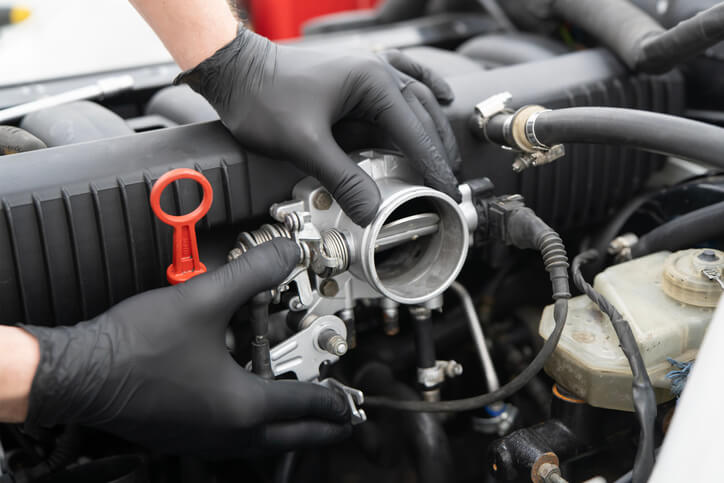
What Does a Throttle Body Do? Airflow Control and Drivability Basics
In Brief: What Is a Throttle Body?
Understanding what a throttle body is essential for diagnosing many engine performance concerns. The throttle body regulates airflow into the engine, affecting idle quality, acceleration, and overall drivability. Automotive students learn to inspect, test, and diagnose throttle body issues before recommending repairs.
Every gasoline engine needs the right balance of air and fuel to run efficiently. While sensors and computers help manage that balance, the throttle body plays a central role by controlling how much air enters the engine.
Understanding what a throttle body is helps future technicians diagnose common drivability concerns such as rough idle, hesitation, reduced engine performance, and poor throttle response. Rather than replacing parts based on symptoms alone, professional technicians follow a systematic diagnostic process to identify the actual cause of the problem.
What Is a Throttle Body and What Does it Do?
What does a throttle body do? The throttle body regulates the amount of air entering the engine according to the driver’s accelerator input and the vehicle’s engine management system.
In many modern vehicles, the throttle body uses an electronic actuator instead of a mechanical cable. As the throttle plate opens and closes, it adjusts airflow so the engine control module (ECM) can deliver the appropriate amount of fuel.
This precise airflow management helps maintain:
- Smooth engine idle
- Responsive acceleration
- Stable engine performance
- Efficient fuel delivery
- Reduced exhaust emissions
Understanding what a throttle body does is a fundamental part of automotive training because airflow affects nearly every aspect of engine operation.
How Does the Throttle Body Affect Engine Idle and Acceleration?
During idle, the throttle body allows only the small amount of air needed to keep the engine running smoothly. As the accelerator pedal is pressed, the throttle plate opens to admit more air, allowing the engine to produce additional power.
Electronic throttle control systems constantly adjust airflow based on driving conditions, engine load, and information from multiple sensors. This coordination helps provide smooth acceleration while maintaining efficient engine performance.
What Symptoms Can Appear When a Throttle Body Is Dirty or Failing?
Carbon buildup, contamination, or electronic faults may affect airflow and engine response. Possible symptoms include:
- Rough or unstable idle
- Hesitation during acceleration
- Reduced engine power
- Stalling
- Check Engine light
- Poor throttle response
Although these symptoms may involve the car throttle body, they can also result from other engine management issues. Accurate diagnosis is therefore essential before replacing any component.
How Do Technicians Test a Throttle Body Before Replacing It?
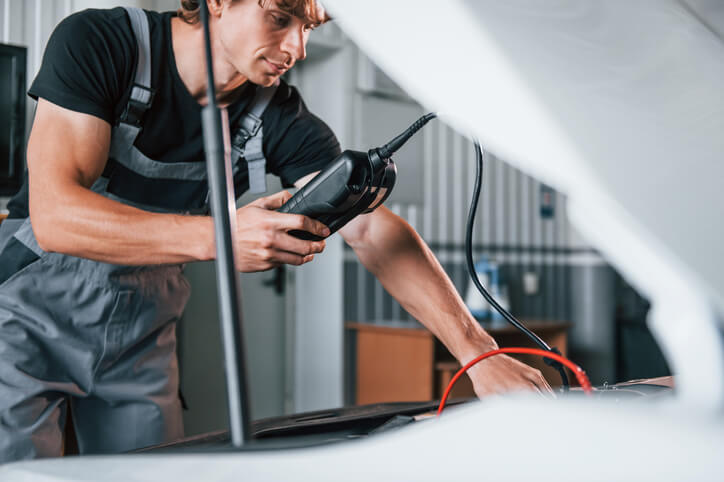
Professional technicians inspect the entire intake and engine management system before concluding that the throttle body is responsible.
A typical diagnostic process may include:
- Performing a visual inspection
- Checking for stored diagnostic trouble codes
- Inspecting electrical connections
- Monitoring live scan tool data
- Looking for vacuum leaks
- Examining throttle plate movement
- Verifying manufacturer specifications
This methodical approach helps prevent unnecessary repairs and ensures the correct fault is identified. Students enrolled in auto mechanic training learn to use manufacturer service information and diagnostic equipment to evaluate engine performance systematically.
Why Is Electronic Throttle Control Important on Modern Vehicles?
Electronic throttle systems allow the engine control module to manage airflow more precisely than traditional cable-operated systems. They also work with technologies such as traction control, cruise control, and electronic stability control to improve performance, efficiency, and vehicle safety.
Learning how electronic throttle systems communicate with sensors and control modules prepares students for diagnosing today’s increasingly computer-controlled vehicles.
Build Strong Diagnostic Skills for Modern Engines
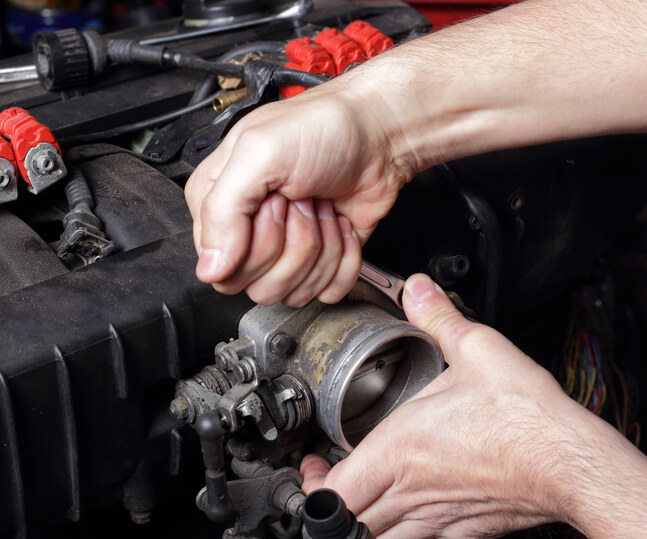
Whether working on conventional gasoline vehicles or newer hybrid models, technicians regularly encounter airflow-related concerns. Understanding what throttle bodies are, how they function, and how they are tested helps technicians make accurate diagnoses rather than relying on guesswork.
Through hands-on automotive training at CATI School, students develop practical engine diagnostic skills that prepare them for today’s evolving automotive industry.
Would you like to explore automotive training options at CATI School?
Contact us for more information.
Key Takeaways
- What is a throttle body? It’s an important concept for understanding engine airflow.
- The throttle body regulates the amount of air entering the engine.
- Airflow directly affects idle quality, acceleration, and overall drivability.
- Technicians diagnose throttle body concerns using inspection, scan tools, and manufacturer procedures.
- Hands-on training prepares students to troubleshoot modern electronic engine management systems.
FAQ
What does a throttle body do?
The throttle body controls the amount of air entering the engine, allowing the engine management system to deliver the correct fuel mixture for different driving conditions.
How does the throttle body affect engine idle and acceleration?
It regulates airflow during idle and opens further during acceleration, allowing the engine to produce additional power while maintaining efficient operation.
What symptoms can appear when a throttle body is dirty or failing?
Common symptoms include rough idle, hesitation, poor throttle response, stalling, reduced power, and an illuminated Check Engine light.
How do technicians test a throttle body before replacing it?
Technicians inspect the throttle body, retrieve diagnostic codes, analyze live data, check electrical connections, inspect for vacuum leaks, and follow manufacturer diagnostic procedures before recommending replacement.