No-Start Diagnosis: What New Technicians Check Before Replacing Parts
A Quick Guide to No-Start Diagnosis
A vehicle that won’t start doesn’t always need a new battery or starter. Effective no-start diagnosis follows a logical process that tests the electrical, fuel, ignition, and electronic systems before replacing parts. Learning this structured approach is a key part of becoming a skilled automotive technician.
Few situations frustrate drivers more than turning the key—or pressing the start button—and getting nothing in return. While many people immediately assume the battery has failed, experienced technicians know that dozens of different faults can produce the same symptom.
That’s why a no-start diagnosis is one of the most important skills taught during auto mechanic training. Rather than replacing parts based on guesswork, technicians follow a step-by-step diagnostic process that identifies the actual cause of the problem, saving both time and unnecessary repair costs.
What Should Technicians Check First When a Car Won’t Start?
Before replacing any components, technicians begin with the basics.
A typical inspection includes:
- Battery voltage and state of charge
- Battery terminals and cable connections
- Fuses and relays
- Starter operation
- Ignition switch function
- Fuel level and fuel delivery
- Warning lights on the dashboard
These simple checks often reveal issues that can mimic more serious mechanical failures.
Professional technicians also ask the driver questions about what happened before the no-start condition occurred, since valuable clues often come from the vehicle’s recent behaviour.
How Do You Tell If a No-Start Is Battery, Starter, or Alternator Related?
Understanding the symptoms helps technicians narrow down the possibilities before testing begins.
Common bad starter symptoms include:
- A single click when attempting to start
- Slow or no starter motor engagement
- Engine failing to crank despite good battery voltage
- Intermittent starting problems
Typical bad alternator symptoms often appear before the vehicle fails to start, including:
- Battery warning light
- Dim headlights
- Electrical accessories operating poorly
- Battery repeatedly going dead after driving
A weak battery can produce symptoms similar to both starter and alternator failures, which is why technicians test each component instead of assuming which one has failed.
Can Diagnostic Trouble Codes Help With No-Start Diagnosis?
Yes, but they’re only one piece of the puzzle.
Modern automotive diagnostics begin by connecting a scan tool to retrieve any stored diagnostic trouble codes. These codes may point toward faults involving sensors, ignition systems, immobilizers, fuel delivery, or engine management systems.
However, technicians understand that a trouble code identifies where the system detected a problem, not necessarily which component should be replaced.
For that reason, scan tool information is combined with:
- Battery and charging system tests
- Voltage drop testing
- Fuel pressure testing
- Starter circuit testing
- Visual inspections
- Live sensor data
Using multiple tests together produces a much more accurate diagnosis than relying on codes alone.

Why Is a Systematic Diagnostic Process So Important?
One of the biggest mistakes inexperienced technicians make is replacing parts before confirming they’re actually faulty. A new battery won’t solve a damaged ground cable, and replacing a starter won’t fix an immobilizer problem or a blown fuse.
Professional automotive diagnostics follow a logical sequence:
- Verify the customer’s concern.
- Perform basic visual inspections.
- Check battery and electrical system health.
- Retrieve diagnostic trouble codes.
- Test suspected components.
- Confirm the repair after fixing the fault.
This disciplined approach reduces unnecessary parts replacement and helps technicians solve problems more efficiently.
Is No-Start Diagnosis Taught in Automotive Technician Training?
Absolutely. Electrical and starting-system diagnosis are core skills developed during auto mechanic training.
Students learn how starting, charging, ignition, fuel, and electronic control systems work together. They also practice using multimeters, scan tools, service information, wiring diagrams, and other professional diagnostic equipment to identify faults accurately.
Building strong diagnostic habits early prepares future technicians to handle increasingly complex vehicles throughout their careers.
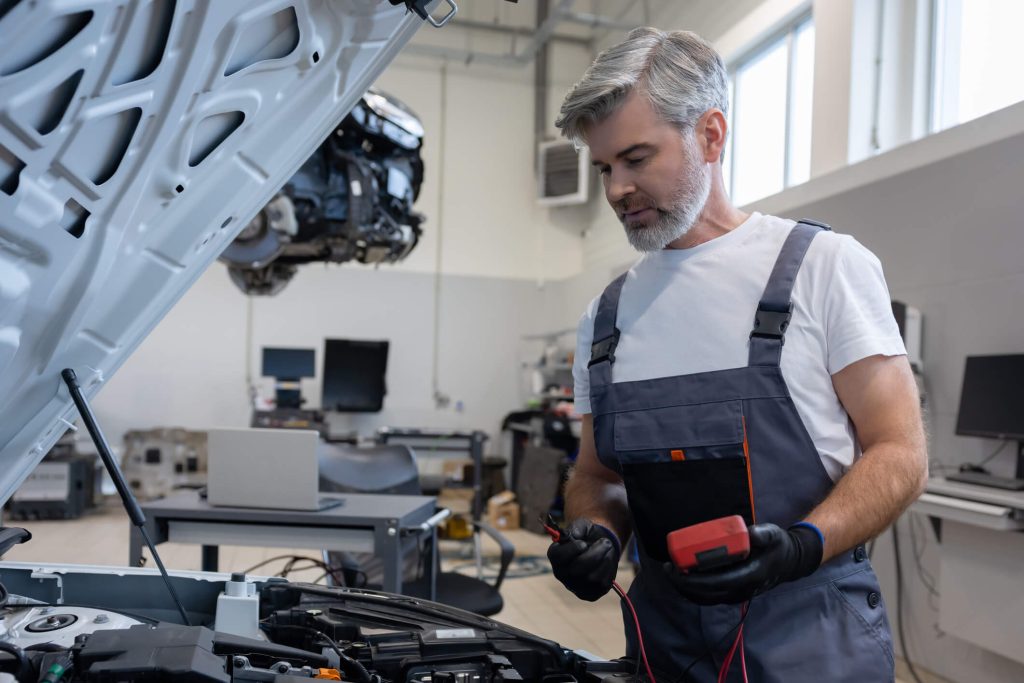
Build Diagnostic Confidence Through Hands-On Training
Today’s vehicles rely on integrated electrical and electronic systems that require careful testing, not guesswork. At CATI school, students develop practical diagnostic skills through hands-on automotive training, learning how to approach real-world vehicle problems methodically and safely. Those problem-solving abilities form the foundation of successful automotive careers.
Would you like to explore training opportunities at CATI school?
Contact us for more information.
Key Takeaways
- Effective no-start diagnosis begins with testing, not replacing parts.
- Automotive diagnostics combine scan tools with electrical and mechanical testing.
- Recognizing bad starter symptoms and bad alternator symptoms helps narrow down possible faults.
- Diagnostic trouble codes provide valuable clues but should always be verified with additional testing.
- Auto mechanic training helps students develop the structured diagnostic approach used by professional technicians.
FAQ
What should technicians check first when a car won’t start?
Technicians first inspect the battery, electrical connections, starter circuit, fuses, relays, fuel system, and any dashboard warning lights before replacing components.
How do you tell if a no-start is battery, starter, or alternator related?
Technicians perform battery tests, charging system tests, and starter circuit tests while evaluating bad starter symptoms and bad alternator symptoms to determine the actual cause.
Can diagnostic trouble codes help with no-start diagnosis?
Yes. Diagnostic trouble codes help technicians identify possible faults, but they must be confirmed through additional testing as part of proper automotive diagnostics.
Is no-start diagnosis taught in automotive technician training?
Yes. Students learn systematic diagnostic procedures, electrical testing, scan tool operation, and troubleshooting techniques during professional auto mechanic training.