
Electronic Throttle Warning Light: What New Technicians Check First
TL;DR
An electronic throttle light can indicate a problem with the throttle body, accelerator pedal sensor, wiring, control module, or related electronic throttle control system. New technicians learn to diagnose these concerns carefully instead of guessing, using scan tools, visual inspections, and system testing to identify the root cause.
An electronic throttle light can be confusing for drivers because it may appear as a warning symbol, sometimes described as a dashboard lightning bolt. For technicians, however, it is an important clue that the vehicle’s electronic throttle control system needs attention.
Modern vehicles no longer rely only on a mechanical cable between the gas pedal and the engine. Instead, sensors, wiring, modules, and the throttle body work together to manage acceleration.
What Does the Electronic Throttle Light Mean?
The electronic throttle light indicates that the vehicle has detected a problem in the electronic throttle control system.
This system helps manage the amount of air entering the engine based on driver input and operating conditions. If a sensor signal is incorrect, wiring is damaged, or the throttle actuator is not responding properly, the warning light may appear.
Students in auto mechanic training learn that the light itself does not identify the failed part. It simply tells technicians where to begin the diagnosis.
Can a Throttle Warning Light Affect Acceleration?
Yes, a throttle warning light can affect acceleration because the vehicle may reduce engine power to protect the system.
Many vehicles enter a reduced-power or limp mode when throttle control problems are detected. This can limit acceleration, make the vehicle feel sluggish, or prevent the engine from responding normally to pedal input.
Technicians must understand how electronic controls affect drivability. Transport Canada’s information on vehicle recalls and safety defects is a useful reminder that warning lights and drivability symptoms should be taken seriously, especially when electronic systems affect vehicle response.
In automotive training, students learn that symptoms such as hesitation, poor acceleration, stalling, or warning lights often require both mechanical and electrical testing.
What Does a Throttle Body Do?
A throttle body controls how much air enters the engine.
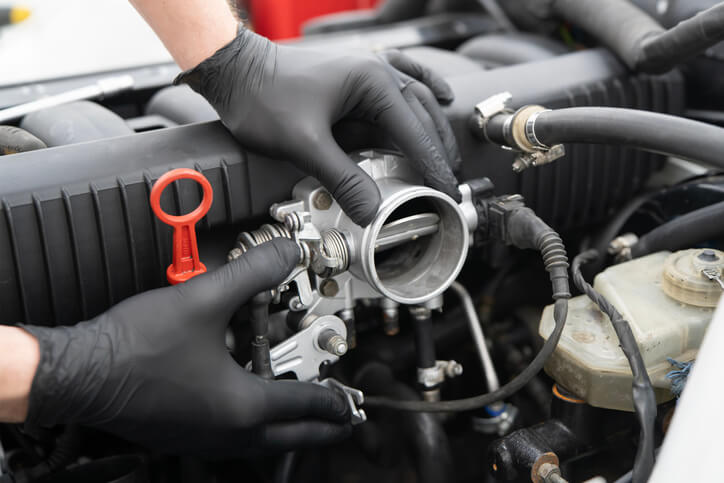
In modern vehicles, the throttle body is often electronically controlled. When the driver presses the accelerator pedal, sensors send information to the engine control module, which then commands the throttle plate to open or close.
If carbon buildup, actuator problems, sensor faults, or wiring issues interfere with this process, the vehicle may trigger an electronic throttle warning light.
How Do Technicians Diagnose Electronic Throttle Issues?
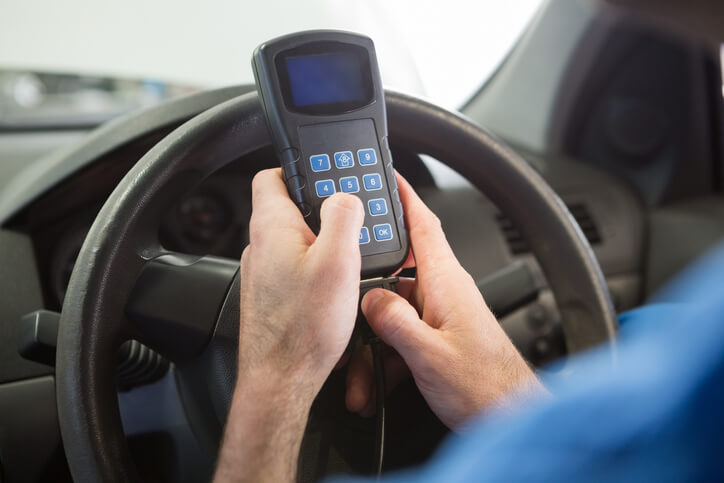
Technicians diagnose electronic throttle issues by scanning for trouble codes, inspecting wiring and connectors, checking throttle body condition, and testing sensor signals.
Diagnosis may include checking the accelerator pedal position sensor, throttle position sensor, related fuses, wiring harnesses, and control-module communication. Technicians may also inspect for carbon buildup that prevents the throttle plate from moving properly.
At CATI school, students build the kind of practical troubleshooting habits used in the car mechanic profession, where careful testing helps prevent unnecessary parts replacement.
Why Electronic Throttle Knowledge Matters
Electronic throttle systems show how much automotive technology has changed. A simple acceleration concern may involve sensors, wiring, airflow, computer commands, and mechanical movement.
For students preparing for automotive careers, learning how these systems work builds confidence in both electrical and engine performance diagnosis. Strong training helps future technicians understand what to check first and why.
Are you Interested in hands-on auto mechanic training?
Contact CATI for more information.
Key Takeaways
- An electronic throttle light points to a possible electronic throttle control issue.
- A dashboard lightning bolt may indicate reduced-power or throttle-related concerns.
- The throttle body controls airflow into the engine.
- Poor acceleration, hesitation, or limp mode may occur when throttle faults appear.
- Technicians use scan tools, wiring checks, and component testing during diagnosis.
- Hands-on automotive training helps students build practical diagnostic skills.
FAQ
What Does the Electronic Throttle Light Mean?
The electronic throttle light indicates that the vehicle has detected a problem in the electronic throttle control system.
Can a Throttle Warning Light Affect Acceleration?
Yes, a throttle warning light can affect acceleration because the vehicle may reduce engine power to protect the system.
What Does a Throttle Body Do?
A throttle body controls how much air enters the engine.
How Do Technicians Diagnose Electronic Throttle Issues?
Technicians diagnose electronic throttle issues by scanning for trouble codes, inspecting wiring and connectors, checking throttle body condition, and testing sensor signals.