
Hole in the Muffler? What Exhaust Problems Teach New Technicians
TL;DR: A Guide to Fixing a Hole in an Exhaust
A hole in the exhaust system can make a vehicle louder, reduce efficiency, increase emissions, and sometimes allow harmful exhaust gases to escape. Learning how to inspect the exhaust system is an important part of auto mechanic training, helping future technicians diagnose problems safely and accurately.
A noisy exhaust is often more than just an annoyance. It can be one of the first signs that a vehicle has developed a leak, corrosion, or physical damage somewhere in the exhaust system.
For new technicians, understanding what causes a hole in exhaust components and knowing how to inspect the entire system is an essential diagnostic skill. Small problems can grow quickly if they aren’t identified and repaired.
What Happens If There Is a Hole in the Muffler?
A hole in a muffler can make the vehicle significantly louder, reduce the muffler’s ability to control exhaust noise, and indicate that corrosion may be affecting other exhaust components.
While a damaged muffler may not always affect engine performance directly, it often signals that the exhaust system should be inspected thoroughly. Rust, road salt, moisture, and age can all contribute to mufflers with holes, especially in regions with harsh winters.
Technicians also check whether the damage is limited to the muffler or extends to surrounding pipes, hangers, or connections.
Can a Hole in the Exhaust Affect Vehicle Safety?
Yes. A hole in the exhaust system can allow exhaust gases to escape before reaching the tailpipe, create excessive noise, and contribute to emissions problems.
Depending on the location of the leak, exhaust gases could potentially enter the passenger compartment, making prompt inspection important. Damaged exhaust components may also loosen over time, creating additional safety concerns.
During inspections, CATI’s auto mechanic training students are taught to examine the entire exhaust system rather than focusing on only one damaged section. NAPA Canada’s guide to exhaust system inspection explains why checking for rust, leaks, muffler damage, and related components can help catch problems before they become larger repairs.
What Sounds Point to a Hole in Exhaust?
What sounds point to exhaust system damage? Loud rumbling, roaring, hissing, rattling, or unusual vibration are common signs that the exhaust system may have developed a leak or suffered damage.
For example, a hole in an exhaust pipe often creates a sharper exhaust noise than a damaged muffler. Loose heat shields or worn mounting brackets may also produce rattling sounds while driving.
Because several different problems can produce similar symptoms, technicians rely on visual inspections and diagnostic procedures to identify the actual source of the noise.
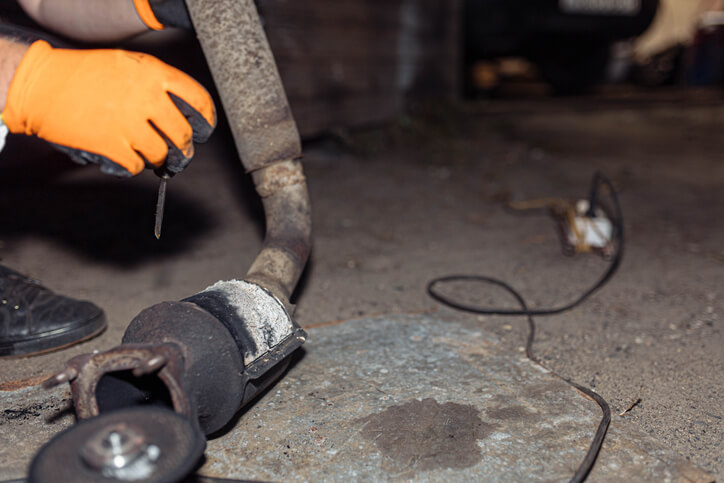
Do Automotive Technicians Inspect Exhaust Systems During Training?
Yes. Students in auto mechanic training learn how to inspect exhaust components, identify leaks, recognize corrosion, and evaluate the overall condition of the system.
At CATI School, students develop practical diagnostic skills while learning how exhaust systems work alongside emissions and engine performance systems. Through hands-on automotive training, they become familiar with safe inspection procedures, proper repair practices, and the importance of accurate diagnosis before recommending repairs.

Building Strong Diagnostic Habits
Successful technicians do more than replace damaged parts; they identify the root cause of the problem. Whether corrosion, impact damage, or worn mounting hardware is responsible, careful inspections help ensure repairs are accurate and long-lasting.
Learning these diagnostic habits through practical auto mechanic training prepares students to work confidently on modern vehicles throughout their careers.
Are you interested in exploring auto training opportunities at CATI School?
Contact us for more information.
Key Takeaways
- A hole in exhaust components can increase noise, affect emissions, and create safety concerns.
- A hole in a muffler often results from corrosion, age, or road debris.
- Technicians inspect the complete exhaust system to identify leaks and related damage.
- Unusual rumbling, hissing, or rattling sounds often indicate exhaust problems.
- Hands-on auto mechanic training teaches students how to diagnose and inspect exhaust systems safely.
FAQ
What Happens If There Is a Hole in the Muffler?
A hole in the muffler usually causes increased exhaust noise and may indicate corrosion or damage elsewhere in the exhaust system.
Can a Hole in the Exhaust Affect Vehicle Safety?
Yes. Exhaust leaks can increase emissions, create excessive noise, and potentially allow exhaust gases to escape before reaching the tailpipe.
What Sounds Point to Exhaust System Damage?
Common signs include loud rumbling, roaring, hissing, rattling, or unusual vibrations coming from underneath the vehicle.
Do Automotive Technicians Inspect Exhaust Systems During Training?
Yes. Students learn how to inspect exhaust components, identify leaks, recognize corrosion, and diagnose exhaust-related problems through practical training.