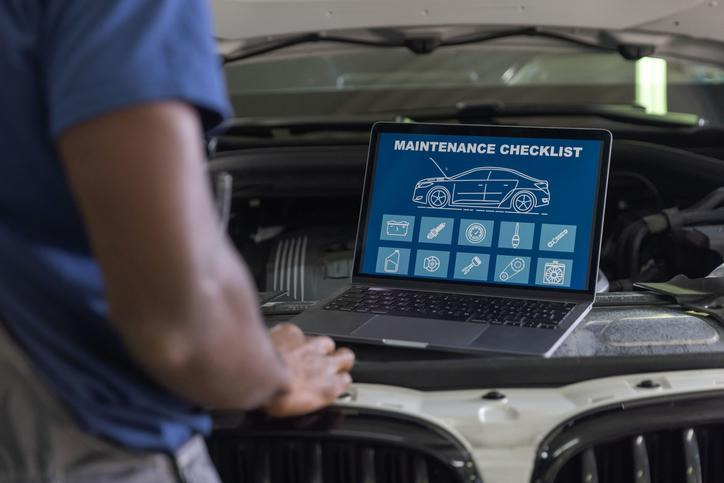
Car Stalls When Stopped: What New Technicians Check Before Replacing Parts
In Brief: Why Does My Car Turn Off When I Stop?
Why does my car turn off when I stop? There are several possible causes, from airflow and fuel delivery issues to charging or ignition problems. Professional technicians follow a structured diagnostic process to identify the real fault instead of replacing parts based on symptoms alone. Learning this approach is a key part of becoming a skilled automotive technician.
When a vehicle stalls as it comes to a stop, many drivers immediately assume the battery or alternator has failed. While those components can certainly contribute to the problem, they’re far from the only possibilities. Modern vehicles rely on dozens of systems working together, and even a small fault can affect engine idle.
That’s why technicians don’t start replacing components based on a symptom alone. Instead, they follow a step-by-step diagnostic process that identifies the root cause before recommending repairs. Students receiving auto mechanic training learn this systematic approach early because accurate diagnosis is one of the most valuable skills in today’s repair industry.
Why Does My Car Turn Off When I Stop?
The engine may be losing the correct balance of air, fuel, spark, or electrical power needed to maintain idle speed.
Common causes include:
- Dirty throttle body
- Vacuum leaks
- Faulty idle air control system (where applicable)
- Weak fuel delivery
- Ignition system problems
- Charging system faults
- Engine sensor failures
Drivers often describe the problem by asking, “Why does my car shut off when I stop?” especially if it happens only at traffic lights or after slowing down. The conditions under which the engine stalls help technicians narrow the diagnosis.
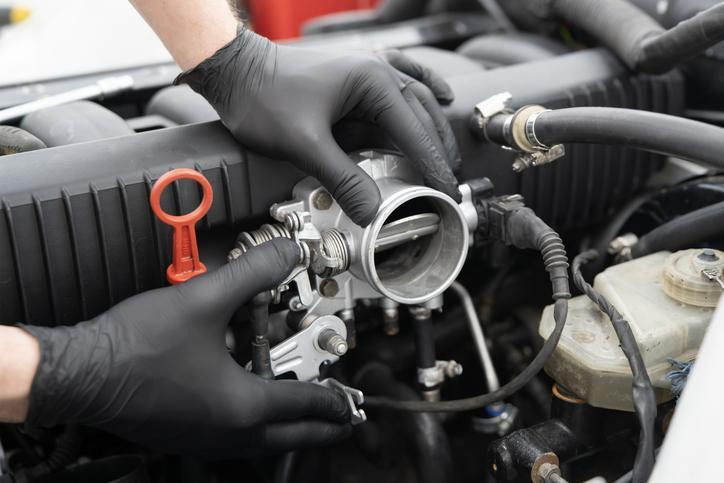
Can a Dirty Throttle Body Cause a Car to Stall at Stops?
Yes. Carbon deposits can restrict airflow around the throttle plate, making it difficult for the engine to maintain a smooth idle.
A dirty throttle body may also cause:
- Rough idle
- Slow throttle response
- Unstable engine speed
- Increased likelihood that the car stalls when stopped
However, technicians don’t assume cleaning the throttle body will solve every problem. They first verify whether airflow is actually responsible before recommending service.
During automotive training, students learn how electronic throttle systems work, how to inspect them safely, and when cleaning or further testing is appropriate.
Can a Battery or Alternator Problem Cause an Engine to Stall?
Yes, although these components are only part of a much larger diagnostic picture. If the alternator cannot maintain proper system voltage, the battery eventually becomes discharged. Low voltage can affect ignition coils, fuel injectors, engine control modules, and other electronic systems that keep the engine running.
Technicians therefore test battery condition and charging-system performance instead of simply replacing one component. A weak battery may be the result of an alternator problem, while a healthy charging system may indicate the fault lies elsewhere.
Understanding how these systems interact helps technicians avoid unnecessary repairs and improves customer confidence. NAPA AUTOPRO explains that professional fuel system cleaning may involve checking fuel pressure, injectors, and manufacturer-recommended service needs, which supports a systematic approach when diagnosing stalling or drivability concerns.
How Do Technicians Diagnose a Car That Stalls When Stopping?
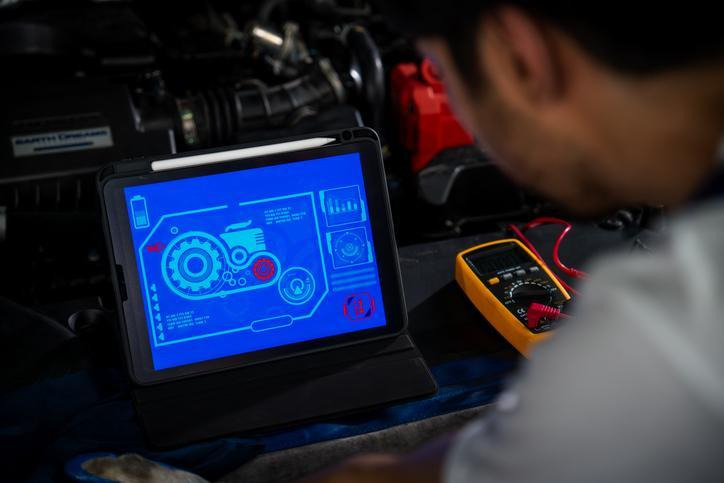
They begin by confirming the complaint and gathering as much information as possible about when the problem occurs.
A typical diagnostic process includes:
- Scanning for diagnostic trouble codes.
- Reviewing live engine data.
- Inspecting the throttle body and air intake system.
- Checking for vacuum leaks.
- Testing fuel delivery when necessary.
- Evaluating battery and charging-system performance.
- Verifying sensor operation.
This systematic approach helps technicians distinguish between problems that produce similar symptoms. For example, a car that stalls when stopping because of a vacuum leak may behave differently from one experiencing fuel pressure or ignition problems, but testing is needed to confirm the difference.
Students at CATI School develop these troubleshooting skills through practical, hands-on experience. Rather than relying on guesswork, they learn how to interpret scan tool data, perform inspections safely, and identify the actual cause before recommending repairs. These diagnostic habits prepare graduates to work confidently on today’s increasingly sophisticated vehicles.
Are you looking for comprehensive auto mechanic training?
Contact CATI School for more information.
Key Takeaways
- Why does my car turn off when I stop? This can have several possible answers, including airflow, fuel, ignition, charging, or sensor problems.
- A dirty throttle body is one possible cause when a car stalls when stopped.
- Battery and alternator faults should always be confirmed through testing.
- Professional technicians diagnose problems systematically instead of replacing parts based on symptoms.
- Hands-on automotive education teaches future technicians how to troubleshoot modern engine management systems accurately.
FAQ
Why does my car turn off when I stop?
The problem may be caused by airflow restrictions, ignition faults, fuel delivery issues, charging-system problems, or engine management faults that prevent the engine from maintaining idle speed.
Can a dirty throttle body cause a car to stall at stops?
Yes. Carbon buildup can restrict airflow and contribute to unstable idle or stalling, although technicians confirm the diagnosis before cleaning or replacing components.
Can a battery or alternator problem cause an engine to stall?
Yes. Low system voltage can affect engine electronics, but technicians perform charging-system tests to determine whether these components are actually responsible.
How do technicians diagnose a car that stalls when stopping?
They combine scan tool diagnostics, visual inspections, airflow testing, charging-system evaluation, and fuel system checks to identify the true cause before recommending repairs.