Exhaust Gas Recirculation (EGR): What It Does and How Technicians Diagnose Faults
A Quick Guide to EGR Valve Symptoms
Common EGR valve symptoms can include rough idle, hesitation, reduced engine performance, warning lights, and emissions-related trouble codes. However, similar complaints can come from ignition, fuel, airflow, or sensor problems. Technicians therefore inspect the EGR system, retrieve diagnostic information, examine live data, and test valve operation before deciding whether EGR valve cleaning, another repair, or replacement is appropriate.
Modern engines rely on several systems to balance performance, fuel efficiency, and emissions. Exhaust gas recirculation, better known as EGR, is one of them. When it works correctly, drivers may never notice it. When something goes wrong, however, the effects can show up as anything from a rough idle to a check engine light.
That makes EGR diagnosis a useful lesson for students beginning auto mechanic training. Spotting EGR valve symptoms is important, but the real diagnostic challenge is determining whether the valve itself, carbon buildup, a blocked passage, an electrical problem, or another engine fault is responsible.
What Does an EGR Valve Do?
The EGR valve controls the amount of exhaust gas routed back into the engine’s intake under appropriate operating conditions.
Introducing a controlled amount of exhaust gas can lower combustion temperatures and help reduce nitrogen oxide emissions. EPA training materials identify EGR as a primary means of controlling NOx and explain that the valve regulates how much exhaust gas is recirculated into the intake.
The exact design varies between vehicles. Older systems may rely heavily on vacuum controls, while newer systems can use electronic valves, position sensors, solenoids, and additional engine-management inputs.
That variation matters during automotive training. A technician needs to understand the particular system being tested rather than assuming every EGR valve operates the same way.
What Are Bad EGR Valve Symptoms?
What are the most common symptoms of a bad EGR valve? Possible bad EGR valve symptoms include rough or unstable idle, hesitation, reduced performance, engine warning lights, and emissions-related faults. Symptoms depend partly on how the system has failed.
For example, an EGR valve that remains open when it should be closed may introduce exhaust gas at the wrong time. That can dilute the intake charge enough to interfere with smooth combustion, particularly around idle. EPA technical training material notes that a valve opening too soon or failing to close completely can contribute to misfiring and rough acceleration.
Too little EGR flow creates a different problem. A blocked passage, stuck valve, failed actuator, or control fault may prevent the required exhaust flow. EPA documentation notes that insufficient EGR flow can increase NOx emissions.
Importantly, none of these symptoms proves that the EGR valve is defective. That is why diagnosis comes before parts replacement.
How Do Technicians Diagnose EGR Valve Problems?
They combine the customer’s symptoms with visual checks, diagnostic trouble codes, scan data, system-specific tests, and manufacturer procedures.
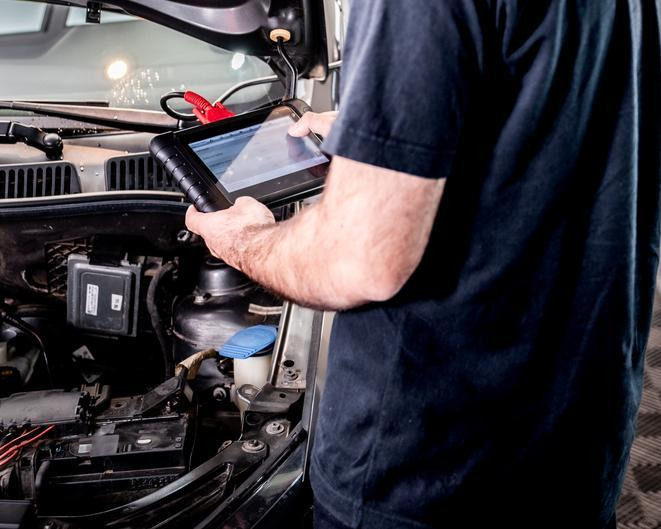
A technician may begin by inspecting EGR passages, electrical connections, vacuum lines where applicable, and surrounding components. On electronically controlled systems, scan-tool data can help determine what the control module is requesting and how the system responds.
OBD II systems monitor EGR operation as part of emissions-related diagnostics, making stored trouble codes and related data useful starting points rather than final answers.
Depending on vehicle design, diagnosis may involve checking valve position, electrical power and ground, control signals, vacuum operation, airflow changes, pressure or temperature information, and the condition of EGR passages.
Students at CATI school can therefore see EGR diagnosis as an example of a broader automotive principle: a trouble code identifies an area requiring investigation, not necessarily the component that needs replacement.
When Can EGR Valve Cleaning Help?
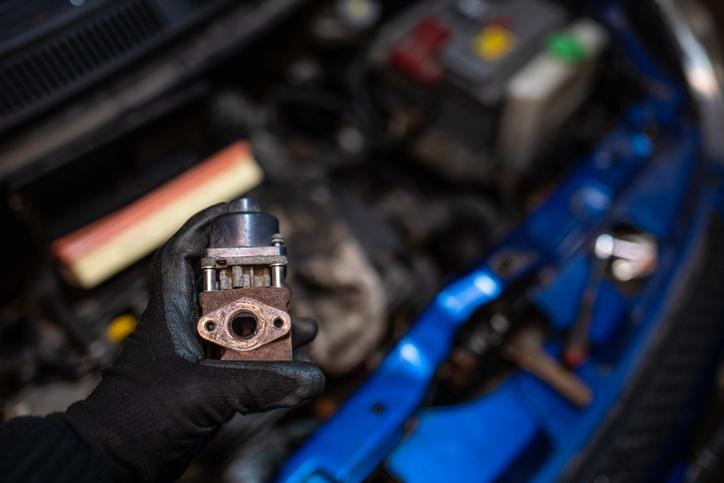
EGR valve cleaning may be appropriate when carbon deposits are interfering with valve or passage operation and the component remains otherwise serviceable.
Exhaust gases naturally carry combustion by-products, so deposits can accumulate within EGR passages and around the valve. EPA training materials specifically identify carbon buildup on the valve or valve seat as one possible source of improper EGR operation.
Cleaning, however, is not a universal fix. An electrically failed actuator, damaged valve, faulty position sensor, broken wiring, or another defective component will require a different repair.
Technicians should also follow vehicle-specific service information. Cleaning methods and serviceability vary, and some components may not be designed to be disassembled or cleaned in the same way as older EGR valves.
What Determines EGR Valve Replacement Cost?
What determines EGR valve replacement cost? Vehicle design, component price, accessibility, diagnostic time, labour requirements, and whether additional EGR components need attention can all affect the final repair cost.
EGR valve replacement cost cannot be estimated accurately from symptoms alone. One vehicle may have an accessible standalone valve, while another may use a more complicated electronic assembly surrounded by components that require additional labour to remove.
Carbon-blocked passages can further complicate the repair. Simply installing a new valve without addressing the underlying flow restriction could leave the original fault unresolved.
This is another reason accurate diagnosis has financial value. Technicians who test first can give customers repair recommendations based on evidence instead of guesswork.
Are you looking for comprehensive auto mechanic training?
Contact CATI for more information.
Key Takeaways
- EGR valve symptoms may include rough idle, hesitation, performance problems, warning lights, and emissions-related faults.
- The EGR system recirculates controlled amounts of exhaust gas to help reduce combustion temperatures and NOx emissions.
- Bad EGR valve symptoms vary depending on whether EGR flow is excessive, insufficient, or occurring at the wrong time.
- Carbon buildup can interfere with valve operation, making EGR valve cleaning appropriate in some cases.
- Technicians use visual inspections, diagnostic codes, scan data, electrical or vacuum tests, and manufacturer procedures to isolate faults.
- EGR valve replacement cost depends on vehicle design, component accessibility, labour, and the actual cause of the problem.
- A diagnostic trouble code should guide testing rather than automatically trigger component replacement.
FAQ
What does an EGR valve do?
An EGR valve controls the amount of exhaust gas recirculated into the engine intake under appropriate operating conditions. This helps lower combustion temperatures and reduce NOx emissions.
What are the most common symptoms of a bad EGR valve?
Common bad EGR valve symptoms can include rough idle, hesitation, reduced performance, a check engine light, and emissions-related trouble codes. Symptoms vary depending on whether EGR flow is excessive or insufficient.
Can a dirty EGR valve be cleaned instead of replaced?
Sometimes. If carbon deposits are interfering with a serviceable valve or passage, cleaning may restore operation. A valve with an electrical, mechanical, or sensor failure may require another repair or replacement.
How do technicians test an EGR valve?
Testing depends on the vehicle. Technicians may inspect the system, retrieve diagnostic codes, examine scan data, test electrical or vacuum controls, verify valve movement, and compare results with manufacturer specifications.
Can a bad EGR valve cause a check engine light?
Yes. Modern onboard diagnostic systems monitor emissions-related systems including EGR, so detected flow or control problems can trigger diagnostic trouble codes and the malfunction indicator light.