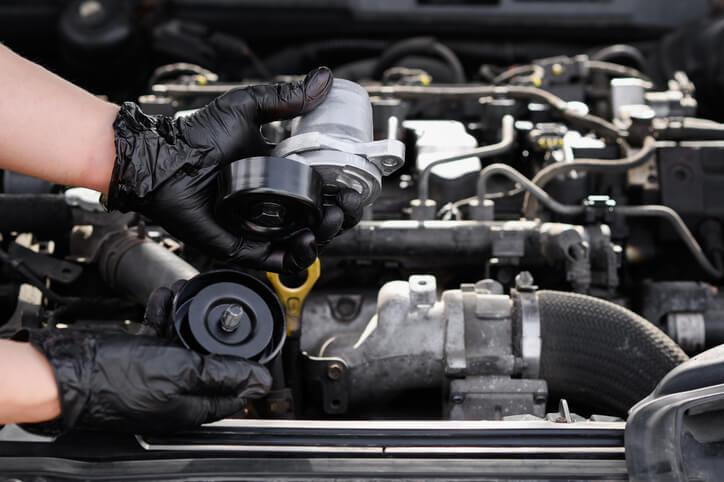
Belt Tensioner Problems: Chirping, Misalignment, and Bearing Noise
In Brief: Serpentine Belt Tensioner Problems: Tips and Clues
- A serpentine belt tensioner helps maintain the correct tension on the accessory drive belt.
- Chirping, rattling, unusual tensioner movement, and belt misalignment can indicate a problem.
- Technicians inspect pulley bearings, belt tracking, tensioner movement, and nearby components.
- Replacing the belt alone may not solve the problem if the tensioner is faulty.
A brief chirp when the engine starts, or a rattling sound from under the hood, can be an early sign of trouble in the belt-drive system.
One component technicians may inspect is the serpentine belt tensioner. It helps keep the accessory belt properly tensioned as it moves around the engine’s pulleys. When the tensioner wears, the belt may slip, vibrate, or run out of alignment.
However, not every belt noise comes from the tensioner. Finding the cause means checking how the belt, pulleys, and tensioner work together.
What Are the Symptoms of a Bad Serpentine Belt Tensioner?
Common signs include unusual belt noise, excessive tensioner movement, poor belt tracking, and visible wear around the pulley.
The tensioner must keep the belt under appropriate tension while accommodating normal changes in belt movement.
Possible belt tensioner symptoms include:
- Chirping or squealing from the accessory belt area
- Rattling or grinding near the tensioner pulley
- Excessive movement of the tensioner arm
- A belt that runs off-centre on a pulley
- Uneven belt wear or frayed belt edges
These symptoms can have other causes, including worn idler pulleys, damaged bearings, contaminated belts, or misaligned accessories.
That is why technicians examine the complete belt-drive system before deciding which component needs replacement.
Why Does a Belt Tensioner Chirp or Make Bearing Noise?
Chirping can result from belt misalignment, while grinding or rumbling may indicate a worn pulley bearing. The tensioner pulley maintains contact with the belt, while the tensioner assembly helps control belt tension throughout the accessory drive. If the pulley tilts or no longer runs smoothly, it can affect belt tracking and create noise.
A worn bearing may produce a rough, grinding, or rumbling sound. A weak tensioner spring or damaged damping mechanism can also allow excessive belt movement, sometimes causing rattling or squealing. However, belt tensioner noise is not always caused by the tensioner itself. Other pulleys, accessories, or belt conditions may produce similar sounds.
For students pursuing auto mechanic training, this is an important diagnostic lesson: the location of a sound does not always identify the failed component.
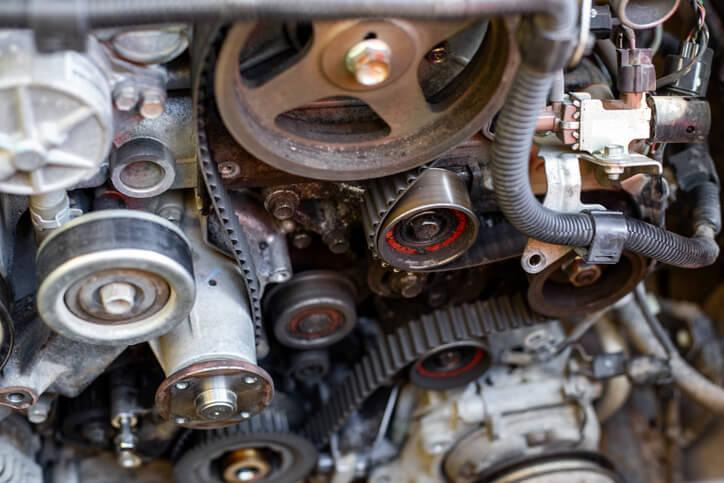
How Do Technicians Test a Serpentine Belt Tensioner?
They inspect belt alignment, observe tensioner movement, and check pulley condition using the appropriate service procedures.
A technician may begin by examining the belt for cracks, fraying, glazing, or uneven wear. The belt’s position on each pulley can reveal alignment problems.
Other checks include:
- Observing tensioner movement: Look for excessive bouncing or vibration while the engine operates, keeping clear of moving components.
- Checking pulley alignment: Inspect whether the belt tracks correctly across the pulleys.
- Inspecting the bearing: With the engine off and the belt safely removed, check for roughness, looseness, or unusual resistance.
- Checking tensioner operation: Assess arm movement, spring force, and damping according to manufacturer procedures.
- Inspecting related components: Check idler pulleys and driven accessories for faults that could produce similar symptoms.
These checks help technicians distinguish serpentine belt tensioner noise from other accessory-drive problems.
At CATI school, understanding how mechanical components interact is an important part of learning to approach vehicle problems systematically.
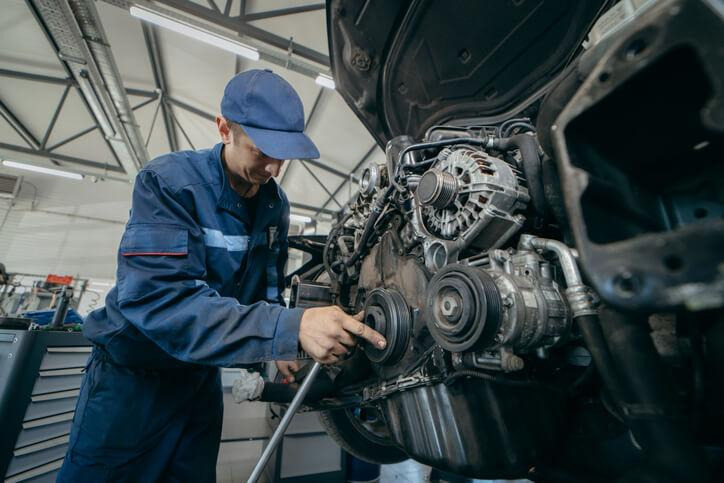
Should the Belt and Tensioner Be Replaced Together?
Not always. The decision depends on their condition, the vehicle manufacturer’s service recommendations, and the cause of the problem.
If the tensioner is faulty but the belt remains in good condition, the correct repair may not require replacing every component. However, a worn or damaged belt should not be reused simply because it is still installed.
A weak tensioner can also contribute to premature belt wear. Replacing only the belt without correcting the underlying problem may allow the noise or damage to return. Technicians should therefore inspect both components and follow the applicable repair procedure.
This attention to the complete system reflects the practical approach needed in automotive training, where identifying the cause is just as important as performing the repair.
Are you looking for comprehensive auto mechanic training?
Contact CATI for more information.
Key Takeaways
- A serpentine belt tensioner maintains appropriate belt tension in the accessory drive system.
- Chirping can indicate misalignment, while grinding or rumbling may point to bearing wear.
- Excessive tensioner movement and uneven belt wear are useful diagnostic clues.
- Technicians check the belt, tensioner, pulleys, and accessories before replacing parts.
- Belt and tensioner replacement decisions should follow inspection results and manufacturer guidance.
FAQ
What Are the Symptoms of a Bad Belt Tensioner?
Possible symptoms include chirping, squealing, rattling, excessive tensioner movement, poor belt alignment, and uneven belt wear.
Why Does a Belt Tensioner Chirp or Make Bearing Noise?
Chirping often results from belt or pulley misalignment. Grinding or rumbling can indicate a worn pulley bearing, while a weak tensioner may cause additional belt movement and noise.
How Do Technicians Test a Serpentine Belt Tensioner?
They inspect belt condition and tracking, observe tensioner movement, and check pulley bearings, arm operation, and related components using vehicle-specific procedures.
Should the Belt and Tensioner Be Replaced Together?
Not necessarily. Technicians assess the condition of both parts and follow manufacturer recommendations. If the belt is worn or damaged, replacing it while repairing the tensioner may be appropriate.