Harmonic Balancer Problems: Vibration, Belt Wobble, and Inspection Clues
In Brief: Harmonic Balancer Problems: Vibration, Wobble, and Wear Clues
- Common signs of a failing harmonic balancer include unusual engine vibration, crankshaft pulley wobble, deteriorated rubber, and accessory-belt problems.
- A damaged balancer may produce rattling or squealing sounds, although these noises can have other causes.
- Technicians inspect the balancer’s condition, alignment, and movement before recommending replacement.
- Repair costs depend on vehicle design, parts, labour, and whether related components require attention.
- Proper diagnosis helps distinguish balancer faults from engine misfires, worn mounts, and accessory-drive problems.
An unusual engine vibration, a wobbling crankshaft pulley, or a persistent squealing sound can leave drivers wondering what’s wrong under the hood. While these symptoms may point to several mechanical problems, a failing harmonic balancer is one possibility that shouldn’t be overlooked. Common bad harmonic balancer symptoms include excessive engine vibration, pulley misalignment, deteriorating rubber, and irregular serpentine belt movement.
The tricky part is knowing whether the harmonic balancer is actually responsible. A worn belt tensioner, damaged pulley, or engine misfire can produce similar warning signs, making careful diagnosis essential. For aspiring automotive technicians, understanding harmonic balancer wobble, unusual noises, and visible wear can help narrow down the cause before recommending repairs. Let’s explore how this component works, what happens when it begins to fail, and the inspection clues technicians rely on.
What Are the Symptoms of a Bad Harmonic Balancer?
Common bad harmonic balancer symptoms include increased engine vibration, visible crankshaft pulley wobble, deteriorated rubber, and unusual belt movement. Some vehicles may also develop rattling or squealing noises, although these symptoms can have several causes.
Picture a driver pulling into a repair shop because their vehicle has developed an unfamiliar vibration. The engine still runs, but something feels different. Then the technician notices that the crankshaft pulley isn’t rotating quite as smoothly as it should.
Could the harmonic balancer be responsible?
Possibly. This relatively small engine component plays an important role in controlling vibration, and recognizing the warning signs can help technicians identify problems before they affect other parts of the accessory-drive system.
What Does a Harmonic Balancer Actually Do?
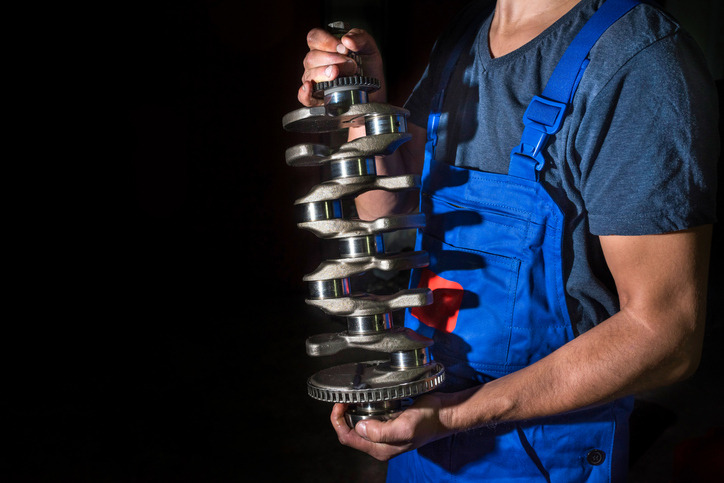
A harmonic balancer, also called a crankshaft vibration damper, helps reduce torsional vibrations created as an engine’s crankshaft rotates.
Each combustion event applies force to the crankshaft. That force can cause small twisting movements, which may contribute to vibration and stress.
Many harmonic balancers use a metal hub, an outer inertia ring, and a rubber isolator between them. The rubber allows controlled relative movement that helps damp crankshaft torsional vibration.
Some engines use different damper designs, so technicians must understand the particular system they’re inspecting.
The balancer may also incorporate the crankshaft pulley that drives accessories such as the alternator and air-conditioning compressor. When its components deteriorate, both vibration control and belt operation can be affected.
Why Does a Bad Harmonic Balancer Cause Engine Vibration?
When a harmonic balancer loses its ability to damp crankshaft vibration effectively, certain engine vibrations may become more noticeable.
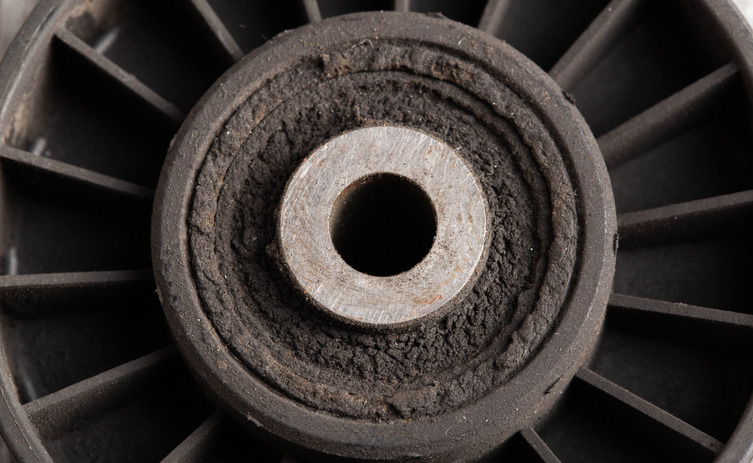
For example, the rubber isolator in an elastomer-type balancer can crack, harden, deteriorate, or separate over time. That damage may reduce the damper’s effectiveness or allow its outer ring to shift.
However, vibration alone doesn’t confirm a harmonic balancer failure. Engine misfires, worn engine mounts, rotating accessory problems, and other mechanical faults can produce similar complaints. A technician needs to identify when the vibration occurs, examine related components, and rule out other causes before deciding on a repair.
What Causes Harmonic Balancer Wobble?
Harmonic balancer wobble occurs when the crankshaft pulley or damper assembly appears to move unevenly as it rotates.
A common cause is deterioration or separation of the rubber isolator, allowing the outer ring to shift relative to the hub. Other possibilities include a damaged pulley, mounting problems, or crankshaft-related issues.
Because the accessory belt follows the pulley, excessive movement can also affect belt tracking. A technician may notice the belt moving sideways, unusual tensioner activity, or wear along the belt edges.
It’s important to distinguish actual balancer movement from normal visual effects or movement elsewhere in the belt-drive system. A wobbling pulley should never be approached or touched while the engine is running.
Can a Failing Harmonic Balancer Make Noise?
Yes. Harmonic balancer noise may include rattling, knocking, chirping, or squealing, depending on the failure and its effect on nearby components.
For example, a shifted pulley may cause the serpentine belt to run out of alignment, producing a chirping or squealing sound. A loose or damaged component may create a rattling noise.
But sound can travel through the engine and accessory drive, making the source difficult to identify by ear alone. A worn tensioner, idler pulley, alternator bearing, or belt can produce similar noises. Technicians therefore compare the sound with visual findings and the vehicle’s operating conditions.
How Do Technicians Inspect a Harmonic Balancer?
A proper inspection begins with the engine switched off and the vehicle secured. Technicians examine the balancer and surrounding accessory-drive components for visible damage.
Important inspection clues include:
- Cracks, bulging, or missing sections of the rubber isolator
- Separation between the inner hub and outer ring
- Pulley misalignment or evidence of contact with nearby components
- Frayed belt edges, uneven belt wear, or damaged pulley grooves
- Loose or damaged mounting components
Technicians may also check pulley runout using a dial indicator and the vehicle manufacturer’s specified procedure. This measures whether the pulley rotates within its permitted limits.
One important detail: a pulley that looks slightly uneven while rotating isn’t necessarily defective. Some balancer designs can create a misleading visual impression, so measurements matter.
Gates’ torsional vibration damper troubleshooting guidance identifies rubber deterioration and separation as important signs of failure.
How Much Does Harmonic Balancer Replacement Cost?
The harmonic balancer replacement cost depends on the vehicle, replacement part, labour time, and accessibility.
On some engines, the balancer is relatively straightforward to access. Others require removing surrounding components, increasing labour time.
A repair estimate may also include a new crankshaft bolt where specified, an accessory belt, or other parts found to be damaged.
Rather than assuming a fixed price, technicians should identify the vehicle’s exact engine configuration, consult the appropriate service information, and prepare an estimate based on the confirmed repair.
Replacing the balancer without identifying the cause of the complaint can leave the original problem unresolved.

Why Should Future Automotive Technicians Understand Harmonic Balancer Problems?
A harmonic balancer complaint is a good example of why automotive diagnosis involves more than recognizing symptoms.
A vibration might come from the engine, its mounts, or an accessory. Belt movement might indicate pulley misalignment, a worn tensioner, or balancer deterioration.
The technician’s job is to separate those possibilities through careful inspection and testing.
At CATI Toronto, our auto mechanic training combines classroom instruction with practical automotive shop experience. Students develop knowledge of vehicle systems and the principles used to inspect, diagnose, and service mechanical components. If you’re considering a career in vehicle repair, our automotive training provides an opportunity to build the technical foundation needed to approach mechanical problems methodically.
Would you like to explore automotive training opportunities at CATI school?
Contact us for more information.
Key Takeaways
- Common harmonic balancer failure signs include vibration, pulley wobble, damaged rubber, and abnormal belt movement.
- A failing balancer may cause noise, but similar sounds can originate from other accessory-drive components.
- Technicians inspect the rubber isolator, pulley alignment, mounting condition, and related belt components.
- Manufacturer-approved runout measurements can help distinguish actual pulley movement from misleading visual effects.
- Replacement costs depend on vehicle design, parts, and labour, so accurate diagnosis comes first.
FAQ
What Does a Harmonic Balancer Do?
A harmonic balancer reduces torsional vibration in an engine’s crankshaft. Many designs use a rubber isolator between a metal hub and outer ring to absorb twisting vibration and help protect engine and accessory-drive components.
What Are the Symptoms of a Bad Harmonic Balancer?
Common symptoms include excessive engine vibration, visible pulley wobble, cracked or separated rubber, unusual noises, and serpentine-belt tracking problems. These signs require further inspection because other faults can produce similar symptoms.
Can a Failed Harmonic Balancer Cause Belt Wobble?
Yes. If the balancer’s outer ring shifts or its pulley becomes misaligned, the accessory belt may move unevenly or wear prematurely. However, a worn tensioner, damaged pulley, or another belt-drive fault can cause similar behaviour.
How Do Technicians Inspect a Harmonic Balancer?
Technicians visually inspect the balancer for rubber deterioration, cracks, separation, and pulley damage. They also examine related belt-drive components and may measure pulley runout using manufacturer-approved procedures.