
Variable Displacement Oil Pumps: How Modern Engines Control Oil Pressure
In Brief: Variable Displacement Oil Pumps: Oil-Pressure Control
- Variable displacement oil pumps adjust oil delivery to meet changing engine demands.
- Electronic control systems may use a solenoid or valve to regulate pump operation.
- Faults can cause oil-pressure warnings, diagnostic trouble codes, or engine noise.
- The P06DD code is associated with engine oil-pressure-control performance on certain vehicles.
- Technicians check oil condition, pressure readings, electrical controls, and manufacturer specifications before replacing parts.
An engine needs oil pressure to protect its moving parts, but it does not require exactly the same oil flow in every operating condition. Cruising along a quiet road places different demands on the engine than accelerating onto a highway.
Older oil pumps typically deliver more oil as engine speed rises, even when the engine doesn’t need all that flow. A variable displacement oil pump takes a more flexible approach, adjusting its output to suit operating conditions.
For aspiring automotive technicians, understanding how this works can make engine oil-pressure warnings and related diagnostic trouble codes much easier to investigate.
What Is a Variable Displacement Oil Pump?
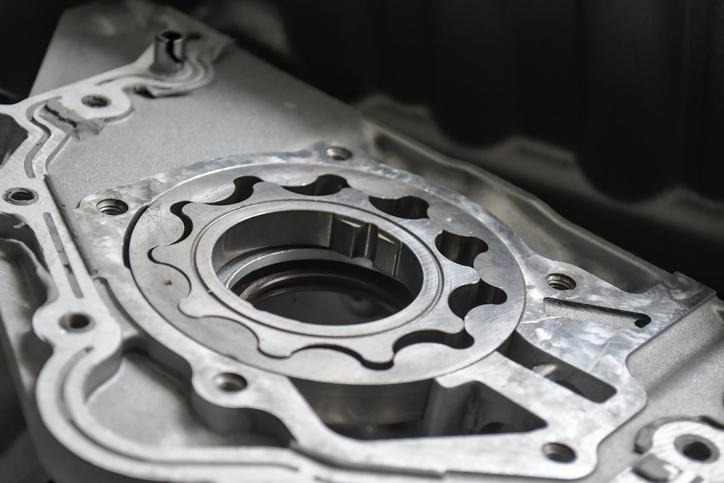
A variable displacement oil pump functions by changing the amount of oil it moves with each revolution, helping the engine maintain suitable lubrication without continuously pumping more oil than necessary. Unlike a conventional fixed-displacement pump, which moves approximately the same volume per revolution, a variable design can alter its internal pumping geometry.
This allows the engine to reduce unnecessary pumping effort under certain conditions while still supplying the oil needed to lubricate bearings, camshafts, and other components. It’s an efficient idea, but it also introduces additional control components that technicians need to understand.
How Does a Modern Engine Control Oil-Pump Output?
In electronically controlled systems, the engine control module (ECM) may use information such as engine speed, load, and oil temperature to determine the required oil-pressure setting.
On electronically controlled designs, the ECM may command an oil-pressure-control valve or solenoid to change the pump’s operating mode or displacement according to engine requirements. For example, during lighter operating conditions, the system may command a lower-pressure operating mode. When engine demand increases, it may switch to a higher-pressure setting.
The exact strategy varies by manufacturer. Some pumps use hydraulic or mechanical regulation, while others incorporate electronic control. For technicians, the important point is that a low oil-pressure reading doesn’t automatically mean the pump has failed. The system may be responding to a control command, or another component may be affecting the reading.
Students considering a career in automotive repair can explore these technical systems through automotive training at CATI, which is a place to explore the technical skills involved in working with modern vehicles.
What Does the P06DD Code Mean?
The P06DD code generally indicates an engine oil-pressure-control performance problem on vehicles that use this diagnostic definition.
On certain engines, the code may appear when the control module detects that actual oil pressure isn’t responding as expected to a commanded operating mode.
Possible causes can include incorrect oil level or viscosity, an unsuitable or restricted oil filter, a faulty control solenoid, wiring problems, or a mechanical fault in the oil pump.
The code doesn’t identify one failed component by itself. Technicians must consult the vehicle manufacturer’s diagnostic information to confirm its definition, operating conditions, and recommended tests.
Replacing the pump without checking the simpler possibilities first could leave the original problem unresolved.
What Are the Symptoms of a Variable Oil-Pump Problem?
A problem with a variable oil pump or its control system may produce several warning signs.
These can include:
- An illuminated oil-pressure or check engine warning light
- Diagnostic trouble codes related to oil-pressure control
- Abnormally low or inconsistent oil-pressure readings
- Unusual engine noise if lubrication becomes insufficient
- Changes in engine operation when the control system detects a fault
Not every symptom points directly to the pump. Low oil level, incorrect oil viscosity, a faulty pressure sensor, or internal engine wear can produce similar complaints.
An oil-pressure warning should always be taken seriously. Continuing to operate an engine with genuinely inadequate lubrication can cause severe damage.
How Do Technicians Test an Oil-Pressure-Control Solenoid?
Imagine a vehicle arrives at the workshop with an oil-pressure warning and a stored trouble code. The technician needs to determine whether the problem involves oil supply, pressure regulation, or an electrical control fault.
A sensible diagnostic process begins with basic checks.
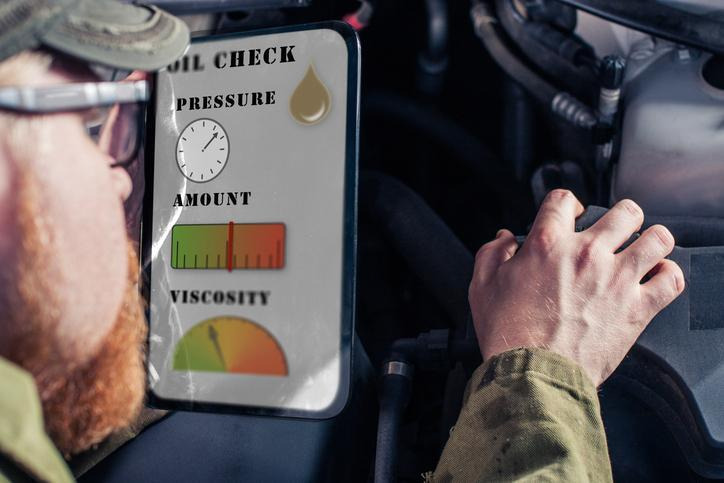
- Verify the oil level and specification. Confirm that the engine contains the correct oil and that the filter meets manufacturer requirements.
- Retrieve diagnostic trouble codes. Review stored codes and relevant operating data to understand when the fault occurred.
- Check actual oil pressure. Where specified, use an approved mechanical pressure gauge or other manufacturer-approved method to verify the reading.
- Inspect the control circuit. Check accessible wiring and connectors, then test the solenoid using the manufacturer’s electrical specifications.
- Evaluate commanded operation. If the diagnostic procedure permits, use a compatible scan tool to command the control system and observe the response.
Technicians should also confirm whether the fault is caused by the solenoid itself, its electrical circuit, or a mechanical problem inside the pump. Testing methods vary by vehicle, and some control components aren’t intended to be serviced separately.
Students exploring auto mechanic training can begin building the knowledge needed to understand engine operation and diagnostic procedures.
Why Should Future Automotive Technicians Understand Variable Oil Pumps?
Modern engines rely on electronic controls to manage systems that were once largely mechanical. Oil-pressure regulation is a good example.
A technician diagnosing a lubrication complaint may need to understand pump operation, sensor feedback, control commands, and electrical circuits before deciding what to repair. That’s why learning the relationship between mechanical components and electronic systems is so useful.
Would you like to explore automotive training options at CATI school?
Contact us for more information.
Key Takeaways
- A variable displacement oil pump adjusts oil delivery to match engine operating demands.
- The oil pressure control valve or solenoid helps regulate pump operation on electronically controlled systems.
- The P06DD code can indicate an oil-pressure-control performance problem, but it doesn’t automatically mean the pump needs replacing.
- Low oil pressure, warning lights, and unusual engine noise require careful investigation.
- Technicians use oil-pressure measurements, scan-tool data, and electrical testing to identify the underlying fault.
FAQ
What Is a Variable Displacement Oil Pump?
A variable displacement oil pump changes the volume of oil it moves per revolution. This helps the engine maintain appropriate lubrication while reducing unnecessary pumping effort.
How Does a Modern Engine Control Oil-Pump Output?
Depending on the design, the engine may use hydraulic regulation or an electronically controlled solenoid to adjust pump displacement. Electronically controlled systems can respond to engine speed, load, temperature, and oil-pressure feedback.
What Are the Symptoms of a Variable Oil-Pump Problem?
Possible symptoms include oil-pressure warnings, check-engine lights, abnormal pressure readings, and engine noise caused by insufficient lubrication. These symptoms can also indicate other lubrication-system problems.
How Do Technicians Test an Oil-Pressure-Control Solenoid?
Technicians review diagnostic trouble codes, check the oil level and specification, verify actual oil pressure, and test the solenoid circuit according to manufacturer procedures. Some systems also support scan-tool commands to evaluate the pump’s response.