AI Vehicle Inspections Arrive in Canada: What Future Auto Technicians Should Know
AI Vehicle Inspections at a Glance: What Future Technicians Need to Know
AI vehicle inspection technology has officially reached Canadian dealerships. UVeye announced in July 2026 that its computer-vision inspection systems were operating in British Columbia and Ontario, with more Canadian installations planned. Vehicles drive through scanners that capture high-resolution images of areas including the tires, underbody, and exterior. AI analyzes those images and flags possible concerns within seconds. For future technicians, however, the important point is that detection and diagnosis are not the same thing: automated systems can highlight something worth investigating, while technicians still apply technical knowledge, further testing, and professional judgment.
Imagine bringing your vehicle to a dealership and having part of its inspection completed before a technician even puts it on a hoist.
That is no longer a futuristic scenario in Canada.
In July 2026, UVeye announced that its AI vehicle inspection systems were operating at dealerships in British Columbia and Ontario, including Comox Valley Toyota and Cranbrook Toyota. Additional Canadian installations are planned throughout 2026.
For students considering auto mechanic training, the development offers a useful glimpse at how the technician’s toolbox is changing. AI may help find a concern, but understanding what that concern means remains a very different skill.
How Does an AI Vehicle Inspection Work?
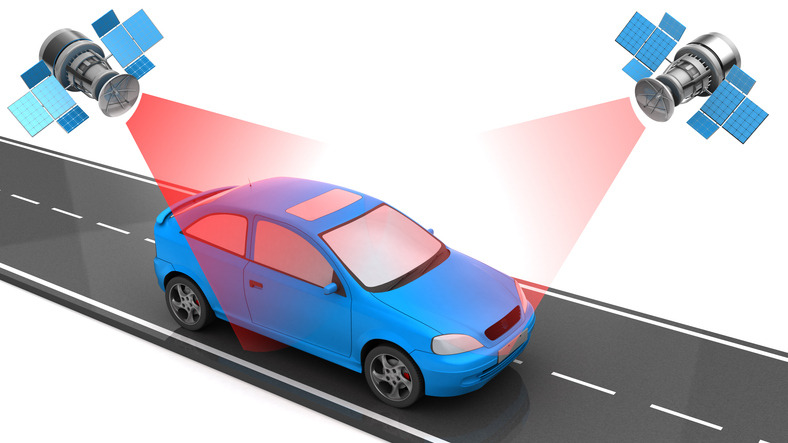
How does an AI vehicle inspection work? A vehicle passes through a scanner equipped with high-resolution imaging and sensors, while computer-vision algorithms analyze the captured images for possible defects or abnormalities.
UVeye’s Canadian dealership systems scan vehicles as they enter the service lane. Within seconds, service staff can receive a digital condition report with images showing detected concerns.
Think of it as an additional set of highly consistent digital eyes.
Instead of relying solely on a quick walkaround, the AI vehicle inspection system can capture standardized images of areas that may otherwise take additional time to view, particularly the underbody.
This kind of vehicle inspection technology also creates a visual record. If a system flags damage beneath the vehicle, for example, the service advisor can show the image to the customer while a technician investigates it further.
What Can Automated Vehicle-Inspection Systems Detect?
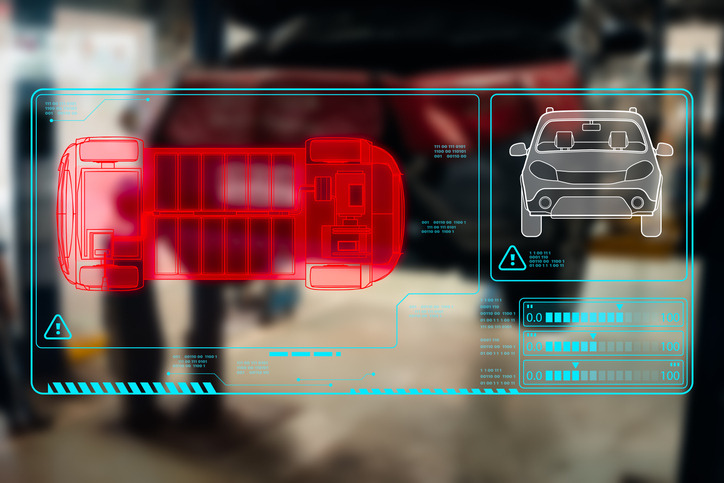
What can automated vehicle-inspection systems detect? Current systems can identify visible conditions including tire wear, underbody damage, fluid leaks, rust, missing or damaged components, dents, scratches, and other exterior damage.
Different scanners focus on different parts of the vehicle. UVeye’s technology includes systems for:
- Tire condition and tread
- Underbody components
- Fluid leaks
- Rust and corrosion
- Exterior dents and scratches
- Wheel damage
- Windshield damage
This makes automated vehicle inspection particularly useful as a screening tool.
But consider a leak detected under a vehicle. An image may show fluid where it should not be. That does not necessarily establish which component is leaking, why it failed, how severe the problem is, or what repair is required.
That next step is where the diagnostic skills developed through automotive training remain important.
Will AI Vehicle Inspections Replace Automotive Technicians?
Will AI vehicle inspections replace automotive technicians? Current systems are designed to support inspection workflows, not replace the technical diagnosis and repair work performed by trained automotive technicians.
UVeye itself describes automated inspection as giving technicians information they can evaluate using their diagnostic experience and expertise.
The distinction between detection and diagnosis is important.
An AI car inspection might flag uneven tire wear. A technician still needs to investigate possible causes. Is there an alignment issue? Worn steering or suspension hardware? Incorrect tire pressure? Previous damage? More than one contributing factor?
Likewise, computer vision might identify an underbody abnormality, but deciding whether it represents normal variation, damage, or a developing mechanical concern can require further inspection and testing.
For future technicians, AI therefore adds another potential source of diagnostic information alongside scan-tool data, service information, measurements, customer descriptions, and physical inspection.
Learning how to interpret evidence—not simply collect it—remains central to technician work.
Are AI Vehicle Inspections Being Used in Canada?
Are AI vehicle inspections being used in Canada? Yes. UVeye officially expanded its automated inspection technology into Canada in 2026, with systems operating at dealerships in British Columbia and Ontario and additional installations planned.
The technology is already doing more than service-lane screening. Automated images and condition reports can also support used-vehicle appraisals and dealership inventory processes. A 2026 integration with CARFAX also allows participating dealerships to combine inspection information with service history and recall data.
For students at CATI school, the Canadian rollout reinforces a broader lesson about the automotive trade: learning does not stop when new diagnostic technology arrives.
Future technicians may increasingly work with AI-generated inspection reports, digital images, scan data, and connected service information. The technology can help point them toward a concern faster. Their job is still to understand the vehicle well enough to decide what that evidence actually means.
Are you looking for comprehensive auto mechanic training?
Contact CATI school for more information.
Key Takeaways
- AI vehicle inspection systems are now operating at Canadian dealerships in British Columbia and Ontario.
- Vehicles can be scanned automatically as they enter a dealership service lane.
- Computer vision can flag visible concerns involving tires, underbodies, leaks, rust, and exterior damage.
- Automated reports provide standardized images that technicians can investigate further.
- Detecting an abnormality is not the same as diagnosing its underlying cause.
- Future technicians will still need mechanical knowledge, diagnostic skills, service information, and professional judgment to interpret AI-generated findings.
FAQ
How does an AI vehicle inspection work?
A vehicle passes through a scanner that captures high-resolution images and sensor data. Computer-vision algorithms analyze that information and flag possible defects, producing a visual condition report for dealership staff to review.
What can automated vehicle-inspection systems detect?
Current systems can identify visible concerns including tire wear, fluid leaks, rust, underbody damage, missing or broken components, dents, scratches, and other exterior damage.
Will AI vehicle inspections replace automotive technicians?
Current technology is better understood as an inspection and screening tool. It can flag possible problems, but technicians still need to verify findings, diagnose underlying causes, determine appropriate repairs, and perform the work.
Are AI vehicle inspections being used in Canada?
Yes. UVeye announced in July 2026 that its systems were operating at dealerships in British Columbia and Ontario, with additional Canadian installations planned throughout 2026.