Tie Rod Ends Explained: Steering Play, Tire Wear, and Safety Checks
In Brief: How to Know if Tie Rods Are Bad
Wondering how to know if tie rods are bad? Possible warning signs include excessive steering play, wandering, alignment changes, unusual tire wear, and noises from the front end. However, these symptoms can overlap with other steering and suspension faults. Technicians inspect inner and outer tie rods for looseness, damage, and excessive movement before recommending replacement or performing an alignment. A severely damaged or separated tie rod is a significant safety concern because it can compromise steering control.
The steering wheel may be the part of the steering system you interact with most, but several components underneath the vehicle turn your input into movement at the wheels. Tie rods are an important part of that connection.
When a tie-rod end becomes worn or loose, steering response can change. The driver might notice additional play, unusual tire wear, pulling, or difficulty maintaining proper alignment.
For students beginning auto mechanic training, learning how to know if tie rods are bad involves more than memorizing symptoms. Technicians need to inspect the steering system, identify excessive movement, and determine whether the component remains safe before proceeding with alignment or other repairs.
How to Know if Tie Rods Are Bad?
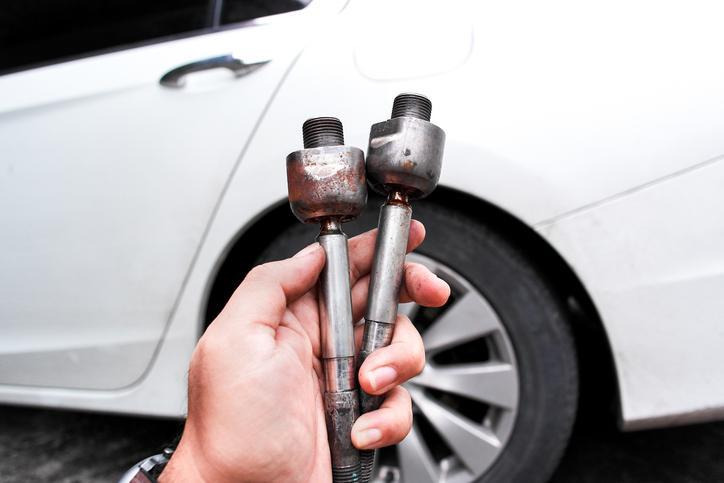
How do you know if tie rods are bad? Possible clues include steering looseness, wandering, abnormal tire wear, front-end noises, and changes in wheel alignment. Tie rods help transfer steering movement toward the steering knuckles and wheels. Their ball-and-socket joints must permit steering movement while remaining sufficiently tight to control wheel direction.
As wear develops, unwanted movement can appear at the joint. This may produce some of the common outer tie rod symptoms drivers notice from behind the wheel. Importantly, symptoms alone cannot confirm a bad tie rod end. Loose ball joints, worn wheel bearings, tire concerns, and other steering or suspension components may produce similar complaints.
During automotive training, students learn to use the customer’s description as a starting point and the symptoms of bad tie rods before moving to physical inspection.
Can Bad Tie Rods Affect Wheel Alignment?
Yes. Tie rods are directly related to steering geometry, particularly toe adjustment, so looseness or incorrect positioning can affect alignment. Manufacturer technical information published by NHTSA illustrates this relationship. One service procedure involving steering geometry instructs technicians to document track-rod end positioning when addressing pulling, steering-wheel vibration, or other alignment concerns.
This is why performing a steering wheel alignment or suspension alignment before checking steering components can be problematic. If a joint has excessive play, accurately setting alignment may not resolve the underlying mechanical problem.
Tire condition can also provide useful clues. If alignment angles are incorrect or steering components permit excessive movement, tire wear patterns may change over time.
How Do Technicians Inspect Inner and Outer Tie Rods?
The exact method depends on vehicle design and manufacturer specifications, but the objective is to identify looseness, damage, or movement outside acceptable limits.
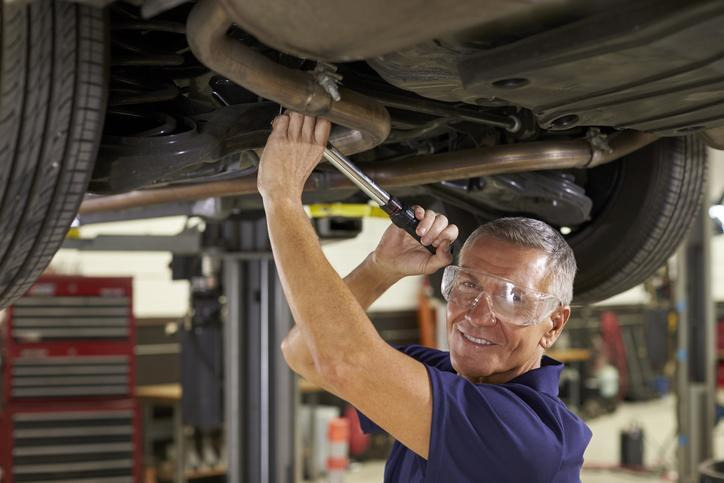
One manufacturer procedure hosted by NHTSA instructs technicians to place the vehicle on a rack, have an assistant move the steering wheel from side to side, and inspect the outer tie-rod joints for excessive play or looseness.
Other procedures may use measurements. International service information, for example, describes measuring horizontal and vertical tie-rod end play with a dial indicator and comparing the result with the manufacturer’s specified limit.
Technicians may also examine boots, fasteners, and related steering components. A damaged protective boot can allow contamination into a joint, while loose or improperly secured hardware presents its own concerns. Students at CATI school therefore learn why inspection procedures and specifications matter.
Is It Safe to Drive With a Bad Tie-Rod End?
The severity of the problem matters, but significant tie-rod looseness or damage should be treated seriously because tie rods are part of the steering system.
NHTSA recall documentation demonstrates the potential consequences of tie-rod separation. In one recall, separation was associated with partial loss of steering capability, while another recall described tie-rod disconnection as potentially resulting in loss of steering.
The symptoms of a broken tie rod can therefore go well beyond inconvenient tire wear or a crooked steering wheel. A complete separation can compromise the driver’s ability to control wheel direction.
What Happens After a Tie-Rod End Is Replaced?
Replacing the worn component may not be the final step.
Because tie rods influence steering geometry, manufacturer procedures may require an alignment following certain tie-rod repairs. The technician must also ensure fasteners are installed and secured according to manufacturer specifications.
This reinforces an important habit for anyone preparing for automotive work: repairs should be completed as procedures rather than isolated part replacements. Inspection, replacement, fastening requirements, alignment, and final verification can all be connected.
Are you looking for comprehensive auto mechanic training?
Contact CATI for more information.
Key Takeaways
- Learning how to know if tie rods are bad involves recognizing symptoms and confirming them through inspection.
- Steering play, wandering, noises, alignment changes, and abnormal tire wear can indicate tie-rod concerns.
- A bad tie rod end can affect steering geometry and make accurate alignment difficult.
- Technicians inspect inner and outer tie rods for excessive movement, damage, looseness, and other concerns.
- Alignment should not substitute for repairing worn steering components.
- Severe tie-rod failure can compromise steering control, making significant wear a safety concern.
- Manufacturer specifications and procedures should guide inspection, repair, and post-repair alignment.
FAQ
How do you know if tie rods are bad?
Possible signs include excessive steering play, wandering, unusual front-end noises, alignment changes, and abnormal tire wear. Technicians confirm the condition through physical inspection and manufacturer-specified checks.
Can bad tie rods affect wheel alignment?
Yes. Tie rods are involved in controlling steering geometry, including toe. Excessive looseness can affect wheel positioning and make accurate alignment difficult.
How do technicians inspect inner and outer tie rods?
Inspection methods vary by vehicle. Technicians may check for looseness while steering components are moved, visually inspect joints and boots, or measure movement against manufacturer specifications.
Is it safe to drive with a bad tie-rod end?
Significant tie-rod wear or damage can present a serious steering concern. Tie-rod separation can compromise steering control, so substantial looseness or severe steering symptoms should be professionally assessed promptly.