How to Become a Car Technician: Training Path for Students
A Quick Guide on How to Become a Car Technician
For students wondering how to become a car technician, the journey begins with quality training, hands-on practice, and a willingness to keep learning. Modern technicians combine mechanical knowledge with diagnostic and problem-solving skills to repair today’s increasingly sophisticated vehicles. A career-focused auto mechanic training program helps students build the practical experience employers value.
Cars have changed dramatically over the past decade. Alongside engines, brakes, and steering systems, technicians now work with onboard computers, sensors, electronic safety systems, hybrid technology, and advanced diagnostic equipment.
That means that becoming a car technician today involves much more than learning to replace parts. Success comes from understanding how vehicle systems work together, thinking critically when diagnosing problems, and developing the confidence to work safely in a professional shop.
For many students, a structured automotive training program is the first step toward building those skills.
How Do You Become a Car Technician?
Most aspiring technicians begin by completing career-focused training before gaining practical workplace experience.
A quality auto mechanic training program introduces students to the systems they will encounter every day in the industry. Rather than relying solely on classroom instruction, students spend significant time learning through practical exercises and shop projects.
Common areas of study include:
- Engine operation
- Brake systems
- Steering and suspension
- Electrical fundamentals
- Vehicle diagnostics
- Cooling systems
- Fuel systems
- Preventive maintenance
- Shop safety
- Proper tool use
These foundational skills prepare graduates for entry-level positions where they continue building experience under experienced technicians.
What Training Do Car Technicians Need?
Employers generally look for graduates who understand both automotive theory and practical repair procedures.
Today’s technicians must be comfortable using scan tools, interpreting diagnostic information, following manufacturer service procedures, and working safely around modern vehicle technologies.
At CATI School, students have opportunities to apply classroom knowledge while working directly with automotive systems. This practical approach helps bridge the gap between learning concepts and performing real repairs.
Many graduates continue developing their skills through apprenticeship opportunities and ongoing professional development as vehicle technology evolves.
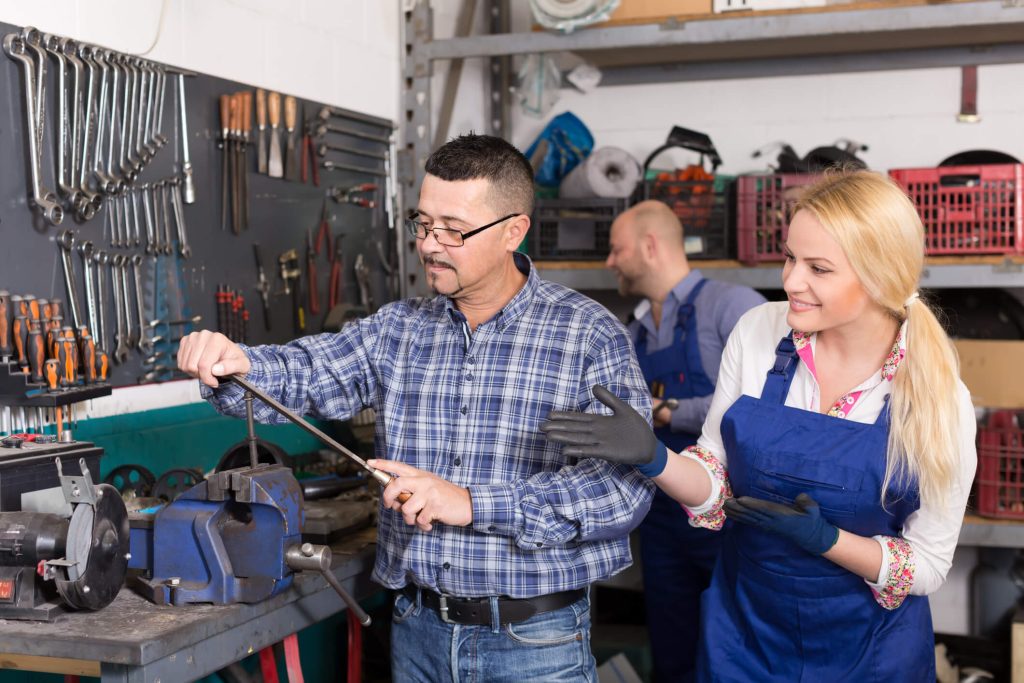
How to Become a Car Technician: What Skills to Build First?
What skills should beginner technicians build first? Technical knowledge is important, but employers also value workplace habits that help technicians succeed throughout their careers.
New technicians should focus on developing:
- Mechanical aptitude
- Diagnostic thinking
- Attention to detail
- Communication skills
- Time management
- Safe work habits
- Teamwork
- Organization
- Customer professionalism
- Continuous learning
Students often ask how to start being a mechanic or how to become a mechanic without previous experience. The answer is simple: start by mastering the fundamentals. Strong basic skills make it easier to learn advanced systems later in their careers.
Is Hands-On Automotive Training Important?
Is hands-on automotive training important for becoming a technician? Absolutely. Reading about automotive systems is valuable, but practical experience is what helps students develop confidence.
Working on real vehicles teaches students how to:
- Use professional tools correctly
- Perform systematic inspections
- Diagnose problems logically
- Follow repair procedures
- Work safely in a shop environment
- Verify completed repairs
These experiences help students feel prepared when they begin entry-level positions after graduation.
Students researching how to become a car mechanic often discover that employers value candidates who have already spent time working in a structured shop environment before entering the workforce.
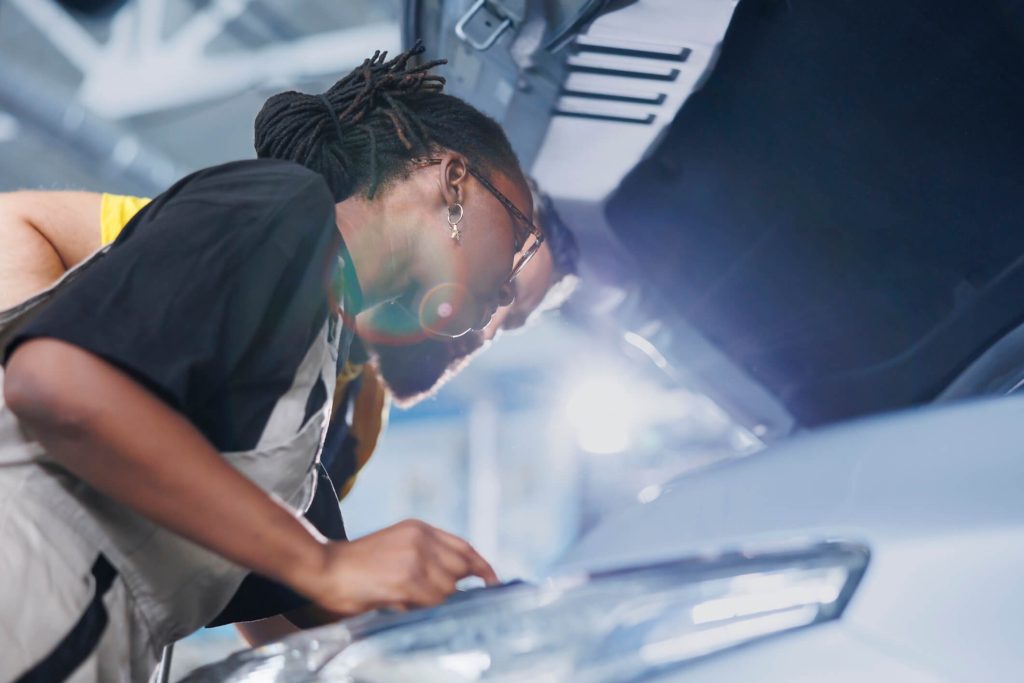
Building a Career That Continues to Grow
The automotive industry offers opportunities to keep learning throughout a technician’s career. As technicians gain experience, many choose to specialize in areas such as electrical diagnostics, drivability, performance systems, transmissions, hybrid vehicles, or advanced driver assistance systems.
Starting with comprehensive auto mechanic training provides a strong foundation for those future opportunities.
If you’re interested in how to become a car technician, investing in quality automotive training is one of the best ways to develop the skills, confidence, and experience needed to begin a rewarding automotive career.
Are you looking for comprehensive auto mechanic training?
Contact CATI for more information.
Key Takeaways
- Learning how to become a car technician starts with practical automotive education.
- Strong technical fundamentals prepare students for entry-level repair positions.
- Hands-on auto mechanic training helps students develop confidence and workplace skills.
- Employers value problem-solving, communication, safety, and diagnostic ability.
- Continuous learning helps technicians grow throughout their automotive careers.
FAQ
How Do You Become a Car Technician?
Most technicians begin with career-focused automotive training, followed by practical workplace experience and continued professional development.
What Training Do Car Technicians Need?
Students benefit from programs that combine classroom instruction with extensive hands-on learning in vehicle diagnostics, maintenance, repair procedures, and shop safety.
What Skills Should Beginner Technicians Build First?
Mechanical aptitude, diagnostic thinking, communication, organization, safe work habits, and attention to detail are all valuable skills for new technicians.
Is Hands-On Automotive Training Important for Becoming a Technician?
Yes. Practical experience helps students apply classroom knowledge, develop confidence, and prepare for real-world automotive repair environments.