Vehicle Recall Checks: How Future Technicians Use Transport Canada Safety Information
In Brief: Vehicle Recall Checks in Canada: VIN Search and Safety
A vehicle recall check in Canada helps identify manufacturer safety campaigns affecting a vehicle. Drivers and technicians can search Transport Canada’s recall information by vehicle details and use the manufacturer’s VIN lookup to check whether a specific vehicle has an outstanding recall. If a recall is open, the next step is to confirm the approved repair with an authorized dealership or manufacturer representative.
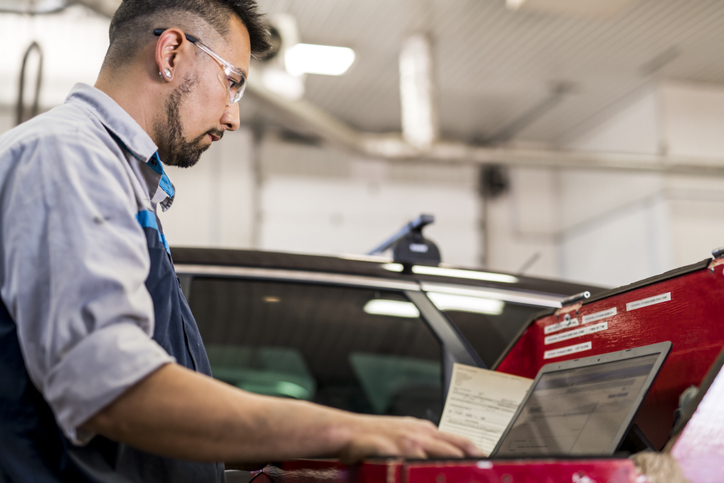
A customer brings a vehicle into the workshop for routine maintenance. During the appointment, a technician discovers that the manufacturer has issued a safety recall. Knowing how to perform a vehicle recall check in Canada helps the technician recognize the concern, explain the next steps, and direct the customer toward the appropriate repair.
Safety recalls are an important part of automotive service because not every problem is discovered during a physical inspection. Some defects are identified after vehicles enter the market, making accurate recall information valuable for both technicians and drivers.
What Is a Vehicle Safety Recall in Canada?
A vehicle safety recall is issued when a manufacturer identifies a defect or non-compliance that may affect vehicle safety. A recall may involve components such as airbags, brakes, steering systems, electrical equipment, or other safety-related parts.
Manufacturers are responsible for notifying affected owners and addressing applicable safety recalls under Canadian requirements. Transport Canada monitors vehicle safety and maintains public information about recalls.
Unlike an ordinary maintenance recommendation, a safety recall concerns a specific safety-related defect or regulatory non-compliance.
How Do You Check for Vehicle Recalls in Canada?
A recall search generally begins with identifying the vehicle accurately. Technicians can follow these steps:
- Record the vehicle details. Confirm the make, model, model year, and VIN.
- Search official recall information. Review the relevant Transport Canada vehicle recall resources.
- Read the recall notice. Identify the affected vehicles, safety concern, and manufacturer’s proposed corrective action.
- Check the manufacturer’s VIN lookup. Determine whether the individual vehicle is affected and whether the recall remains outstanding.
- Confirm the repair arrangements. Contact an authorized dealership or manufacturer representative when necessary.
A general recall listing does not automatically mean every vehicle of that model is affected. Production dates, equipment, and other vehicle-specific details can determine recall applicability.
What Is a Recall VIN Check?
A recall VIN check uses the vehicle identification number to determine whether a particular vehicle is covered by a manufacturer’s safety recall.
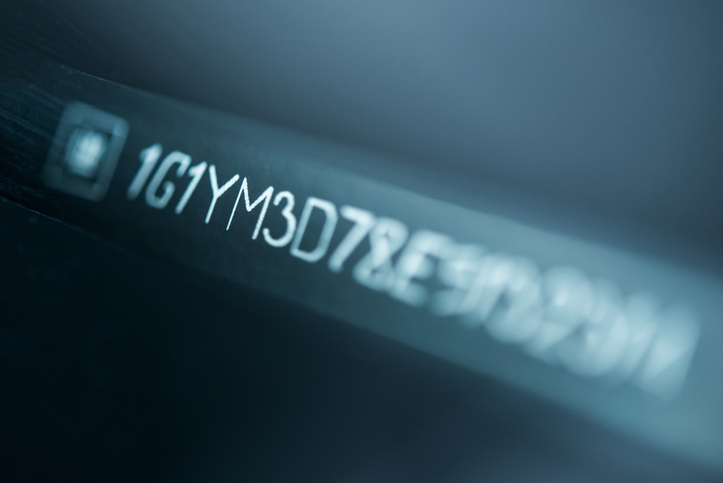
The VIN is a unique identifier, typically containing 17 characters on modern passenger vehicles. It can usually be found on the dashboard near the windshield, on a vehicle identification label, or in registration documents. A VIN lookup is especially useful because two vehicles with the same model name and model year may not have the same recall status.
For example, a manufacturer may identify a defect affecting vehicles built during a particular production period. A model-level recall search may flag the concern, while a VIN-specific search helps determine whether the customer’s vehicle is included.
Technicians should also distinguish between a recall that applies to a vehicle and one that remains open. A previous owner may already have completed the required repair. Through our automotive training, we help students build a foundation for understanding vehicle systems and professional service practices
How Do Technicians Read Transport Canada Recall Notices?
Transport Canada recalls provide information that helps technicians understand the nature of a safety concern. A typical recall notice may identify:
| Recall detail | Why technicians review it |
|---|---|
| Manufacturer, model, and year | Helps identify potentially affected vehicles |
| Recall number | Provides a reference for communication and records |
| Safety defect or non-compliance | Explains the concern |
| Potential consequences | Describes the associated safety risk |
| Corrective action | Outlines the manufacturer’s proposed remedy |
| Affected vehicle population | Helps establish the recall’s scope |
Technicians should read the notice carefully rather than assume that the listed repair applies to every vehicle. They should also confirm the latest manufacturer instructions before arranging work.
What Happens When a Vehicle Has an Outstanding Recall?
Consider a fictional Toronto customer who brings a vehicle in for a scheduled inspection. During the service, the technician checks the VIN and discovers an outstanding manufacturer recall involving a safety-related component.
The technician should:
- Confirm the recall’s applicability using an official manufacturer source.
- Explain the safety concern in clear, factual language.
- Review any relevant precautions or interim instructions.
- Advise the customer how to arrange the approved remedy.
- Record the finding and communication in the service documentation.
The technician should not improvise a repair or assume the workshop is authorized to complete the manufacturer’s recall procedure.
If the recall identifies a serious risk, such as instructions not to drive the vehicle, those directions should be communicated promptly.
Are Vehicle Recall Repairs Free in Canada?
Safety recall remedies are generally provided without charge to affected vehicle owners, but the exact arrangements should be confirmed with the manufacturer.
The approved remedy may involve inspection, replacement of a component, software updates, or another manufacturer-specified corrective action.
Availability of parts and repair scheduling can vary. Customers should contact the manufacturer or an authorized dealership to confirm their vehicle’s recall status, the remedy, and the appropriate repair location.
A technician should avoid promising that a particular repair is covered until the manufacturer’s recall information has been verified.
Why Do Recall Checks Matter in Automotive Training?
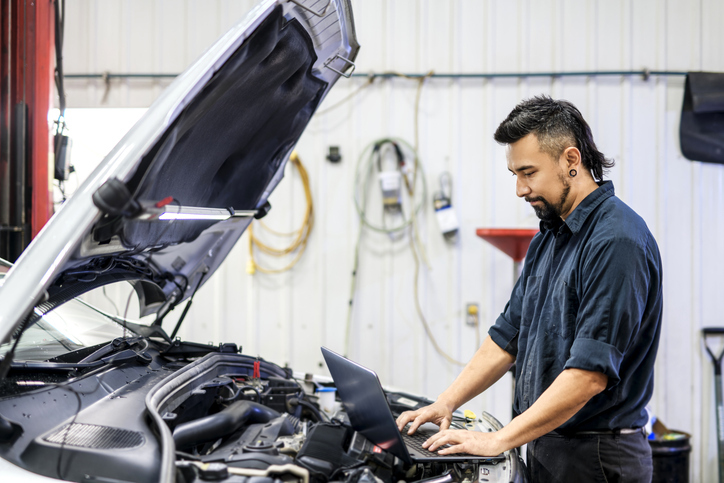
Understanding car safety recalls helps future technicians connect vehicle inspection with accurate information gathering and professional communication.
A recall check may require no physical disassembly, but it still involves technical judgment. Students must learn to identify vehicles correctly, interpret official notices, distinguish confirmed facts from assumptions, and document their findings.
These responsibilities complement the mechanical and diagnostic skills developed through auto mechanic training. They also demonstrate why technicians need to stay informed as manufacturers introduce new technologies and safety systems.
Explore Automotive Training at CATI
Vehicle recalls remind us that automotive service involves more than diagnosing visible mechanical problems. Technicians also need to understand manufacturer information, follow approved procedures, and communicate safety concerns responsibly.
Explore our programmes at CATI to learn more about preparing for a career in automotive service.
Would you like to explore automotive training opportunities at CATI school?
Contact us for more information.
Key Takeaways
- A vehicle recall check in Canada helps identify manufacturer safety campaigns affecting a vehicle.
- Transport Canada provides public information about vehicle safety recalls.
- A VIN-specific manufacturer lookup helps confirm whether an individual vehicle has an outstanding recall.
- Recall notices explain the affected vehicles, safety concern, and proposed corrective action.
- Technicians should verify recall applicability before advising customers.
- Safety recall remedies are generally provided without charge, subject to the manufacturer’s applicable arrangements.
- Approved recall repairs should follow manufacturer procedures and authorization requirements.
- Clear documentation and communication are essential when an outstanding safety recall is identified.
FAQ
How do you check for vehicle recalls in Canada?
You can search Transport Canada’s official vehicle recall information using the vehicle’s make, model, and model year. To determine whether a particular vehicle is affected and whether the recall remains open, use the manufacturer’s VIN lookup or contact an authorized dealership.
Can you find an open recall using a VIN?
Yes. Many vehicle manufacturers provide VIN-specific recall lookup tools that identify applicable outstanding safety recalls. If the status is unclear, an authorized dealership or manufacturer representative can help confirm whether the recall applies and whether the remedy has already been completed.
Are vehicle recall repairs free?
Safety recall remedies are generally provided without charge to affected owners in Canada. However, customers should confirm the specific recall arrangements, eligibility, and repair location with the manufacturer or an authorized dealership.
How do technicians handle an outstanding safety recall?
Technicians verify the recall using official information, review the safety concern and any interim instructions, inform the customer, and document the finding. They then direct the customer toward the manufacturer-approved remedy rather than attempting an unauthorized repair.