Defroster Problems: Airflow, Heater Output, and Visibility Checks Before Winter
In Brief: Car Defroster Not Working: Airflow, Heat, & Visibility
A car defroster that’s not working properly may have restricted airflow, insufficient heat, excessive cabin moisture, or a climate control fault. Common causes include a clogged cabin air filter, faulty blower motor, low engine coolant, heater core problems, and malfunctioning air-direction controls. Technicians diagnose these complaints by checking airflow, outlet temperature, HVAC settings, and related components. A clear windshield is essential for safe winter driving.
Imagine starting your car on a freezing Toronto morning, turning on the front defroster, and waiting for the windshield to clear. A few minutes pass, but the glass remains foggy. If you’re dealing with a car defroster not working, the problem may be more complicated than simply needing extra time to warm up.
Your vehicle’s defroster relies on several systems working together to deliver air to the windshield and control moisture. When one component isn’t performing properly, visibility can suffer. Understanding how technicians investigate these problems offers a useful look at the diagnostic skills involved in modern automotive service.
How Does a Car’s Front Defroster Work?
The front defroster directs air toward the inside surface of the windshield to remove condensation and help clear frost.
In most vehicles, the heating, ventilation, and air conditioning (HVAC) system controls this process. The blower motor moves air through the system, while air-direction doors guide it toward the windshield vents.
In conventional gasoline vehicles, heat from the engine’s cooling system typically warms the air. Many vehicles also use air conditioning to reduce humidity when conditions permit.
For effective windshield clearing, the system needs adequate airflow, suitable air temperature, and proper climate control operation. A problem with any of these functions can leave the windshield fogged or slow to clear.
Car Defroster Not Working? Winter Airflow and Heat Checks
When a repair shop receives a front defroster not working complaint, technicians first determine whether the problem involves airflow, heating, or air distribution.
These symptoms provide useful clues:
| Symptom | Possible causes |
|---|---|
| Little or no air from windshield vents | Blower fault, restricted airflow, or air-direction door problem |
| Strong airflow but little heat | Low coolant, thermostat issue, heater core restriction, or temperature control fault |
| Air blows from floor vents instead of windshield vents | Mode door, actuator, or climate control problem |
| Windshield remains foggy despite warm airflow | Excess cabin moisture, poor air circulation, or air-conditioning/dehumidification problem |
| Blower operates only at certain speeds | Blower control module, resistor, switch, or wiring fault |
These are diagnostic possibilities rather than confirmed causes. Technicians need to test the system before recommending repairs.
Can a Clogged Cabin Air Filter Affect Defrosting?
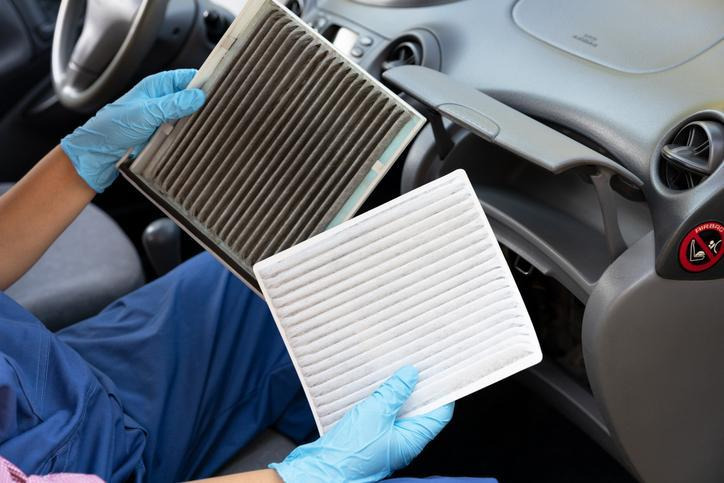
Yes. A dirty cabin air filter can restrict airflow through the HVAC system, making it harder to deliver enough air to the windshield. Over time, dust, leaves, pollen, and other debris accumulate in the filter. As airflow becomes restricted, the defroster may seem weaker even when the blower motor is operating.
A technician may inspect the filter for excessive contamination and compare airflow before and after replacement when appropriate. However, replacing the filter won’t solve every defroster complaint. If airflow remains weak, further checks may be needed.
Why Does a Defroster Blow Cold Air?
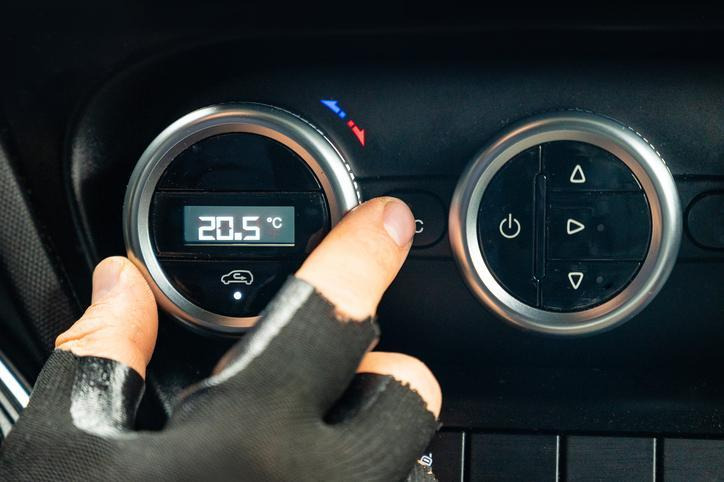
A defroster blowing cold air may indicate that the HVAC system isn’t receiving enough heat or isn’t directing heated air correctly. In conventional engine-powered vehicles, the heater core uses hot engine coolant to warm air entering the passenger compartment.
Several faults can interfere with this process:
- Low coolant: Insufficient coolant may prevent adequate circulation through the heater core.
- Thermostat problems: An engine that doesn’t reach its intended operating temperature may provide weak cabin heat.
- Heater core restrictions: Reduced coolant flow can limit heating performance.
- Blend door faults: A malfunctioning temperature-control door may prevent air from passing through the heated section of the HVAC system.
- Control or sensor issues: Electronic climate control faults may prevent the system from responding correctly.
Technicians check engine temperature, coolant condition, heater hose temperatures, and climate control operation to narrow down the cause. Because cooling systems can be hot and pressurized, inspections must follow appropriate safety procedures.
What If the Heater Blower Is Not Working?
A heater blower not working can leave the defroster without the airflow needed to clear the windshield. The blower motor is responsible for moving air through the HVAC system. If it fails completely, little or no air may reach the vents.
Possible causes include a failed motor, blown fuse, damaged wiring, faulty relay, or malfunctioning blower control module.
Technicians may also investigate whether the blower operates at some speeds but not others. A systematic diagnosis involves checking electrical supply, control signals, and component operation rather than immediately replacing the motor.
Why Is My Car Windshield Not Defogging Even With the Heater On?
A car windshield not defogging may have more to do with moisture than heating performance. Condensation forms when humid cabin air contacts a colder windshield surface. Wet floor mats, damp clothing, snow brought into the vehicle, and water leaks can all increase interior humidity.
Using the appropriate defrost setting, directing airflow toward the windshield, and allowing the system to introduce outside air can help reduce fogging. Air conditioning may also remove moisture when operating conditions allow.
If the windshield repeatedly fogs despite normal HVAC operation, technicians may investigate water intrusion, excessive cabin humidity, or climate control faults.
How Do Technicians Diagnose Weak Defroster Airflow?
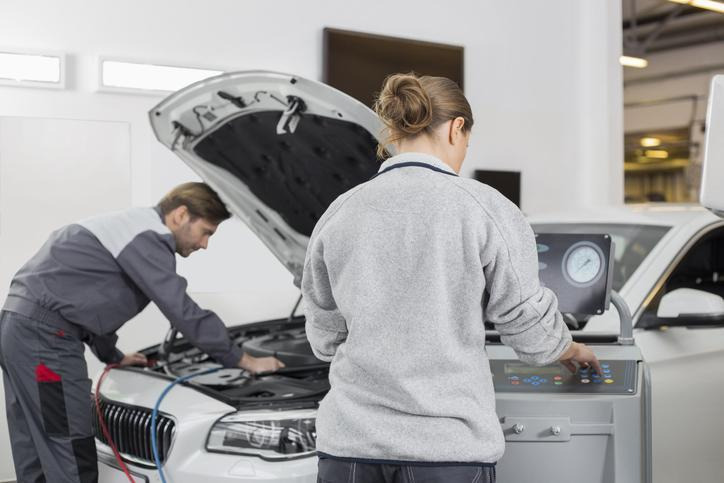
Technicians approach defroster complaints by checking the system in a logical sequence.
A typical diagnostic process may include:
- Confirm the complaint: Operate the front defroster and observe airflow, temperature, and vent direction.
- Check climate control settings: Verify blower speed, temperature selection, air distribution, and recirculation operation.
- Inspect the cabin air filter: Look for contamination or restrictions that could reduce airflow.
- Test blower operation: Check whether the blower responds correctly at different speeds.
- Examine air-direction controls: Confirm that the mode doors direct air toward the windshield.
- Evaluate heater performance: Assess coolant temperature, heater core operation, and temperature-control components.
- Check electronic faults: Review diagnostic trouble codes and control system information when applicable.
This method helps technicians identify the source of the problem without relying on guesswork.
Students pursuing auto mechanic training can see how HVAC diagnostics combine mechanical knowledge, electrical testing, and careful observation.
Why Are Defroster Checks Important Before Winter?
A functioning defroster is an important part of maintaining visibility during cold-weather driving.
Snow, frost, and condensation can obstruct a driver’s view, especially during early mornings and changing weather conditions.
Drivers should ensure the windshield and windows are clear before driving. If the defroster cannot maintain adequate visibility, the vehicle should not be driven until the problem is addressed.
For students interested in automotive training, diagnosing a weak defroster demonstrates how routine vehicle systems directly affect road safety.
Explore Automotive Training at CATI
A defroster complaint may begin with a foggy windshield, but diagnosing the cause can involve airflow restrictions, coolant circulation, electrical components, and climate control systems.
If you’re interested in learning how automotive technicians investigate these problems, explore the training opportunities available through CATI School and discover the skills involved in modern vehicle inspection and repair.
Would you like to explore automotive training opportunities at CATI School?
Contact us for more information.
Key Takeaways
- A car defroster not working may involve weak airflow, insufficient heat, excessive moisture, or malfunctioning climate controls.
- Front defrosters rely on blower operation, air-direction controls, and appropriate air temperature.
- A clogged cabin air filter can restrict airflow and reduce windshield-clearing performance.
- Cold air from the defroster may indicate a coolant, heater core, thermostat, or temperature-control problem.
- A failed blower motor or related electrical fault can prevent air from reaching the windshield.
- Persistent fogging may be caused by excessive cabin humidity or water intrusion.
- Technicians use systematic testing to identify the cause before recommending repairs.
- Clear windows are essential for safe winter driving.
FAQ
Why is my front windshield defroster not working?
A front windshield defroster may stop working properly because of restricted airflow, insufficient heating, a faulty blower motor, or malfunctioning air-direction controls. Technicians check airflow, outlet temperature, HVAC settings, and related components to determine the cause.
Can a clogged cabin air filter affect defrosting?
Yes. A clogged cabin air filter can reduce the volume of air reaching the windshield vents, making defrosting and defogging less effective. Replacing a heavily contaminated filter may restore airflow, although other faults may require additional diagnosis.
Why does a defroster blow cold air?
A defroster may blow cold air because the engine isn’t reaching normal operating temperature, coolant is low, the heater core isn’t receiving enough hot coolant, or a temperature-control door isn’t working properly. The exact cause depends on the vehicle and its heating system.
How do technicians diagnose weak defroster airflow?
Technicians begin by confirming the complaint and checking climate control settings. They then inspect the cabin air filter, test blower operation, examine air-direction controls, and assess heater performance. Electrical testing and diagnostic scans may be needed when electronic components are involved.