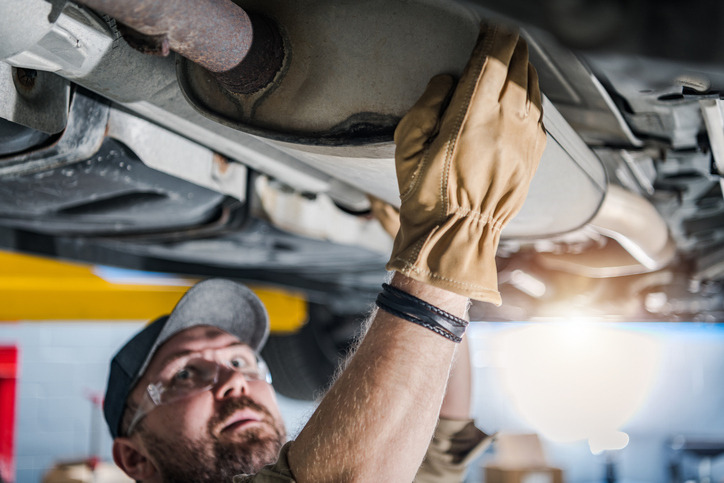
Exhaust Leaks and Carbon Monoxide: Why Winter Inspections Matter
In Brief: Exhaust Leak Symptoms and Carbon Monoxide
Common exhaust leak symptoms include unusual engine or exhaust noise, visible corrosion, and exhaust fumes entering the cabin. Leaks can create a serious safety concern because exhaust gases may contain carbon monoxide, an invisible, odourless gas. Winter conditions increase the importance of inspections, particularly when snow obstructs the tailpipe or drivers idle vehicles for warmth. Technicians examine exhaust pipes, joints, gaskets, hangers, and related components to identify potential leaks.
A louder-than-usual engine, a persistent rattling noise, or an unfamiliar exhaust smell might seem like minor vehicle problems. During winter, however, these warning signs deserve prompt attention. A damaged exhaust system can allow gases to escape before they reach the tailpipe, potentially creating a dangerous situation for anyone inside the vehicle.
Recognizing exhaust leak symptoms is therefore an important part of winter vehicle safety. For aspiring automotive technicians, understanding where leaks develop, how they affect the vehicle, and why carbon monoxide exposure is so dangerous helps turn a routine inspection into an important safety assessment.
What Are the Most Common Exhaust Leak Symptoms?
An exhaust leak occurs when gases escape through a damaged pipe, cracked component, failed gasket, or loose connection instead of travelling through the intended exhaust path.
Common warning signs include:
- Unusual noise: A ticking, hissing, or rumbling exhaust leak sound, sometimes more noticeable during acceleration or when the engine is cold.
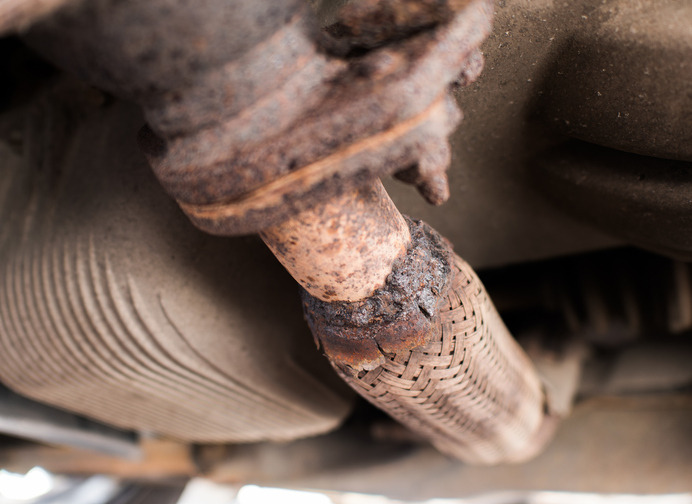
- Visible damage: Rust, holes, cracks, or black soot deposits around exhaust connections.
- Exhaust fumes: Unusual exhaust odours near or inside the vehicle.
- Changes in performance: Certain leaks may affect engine operation, depending on their location.
These clues can help identify an exhaust leak in a car, but they aren’t conclusive on their own. A vehicle may have a leak without obvious noise or smell, making a proper inspection essential.
How Can an Exhaust Leak Cause Carbon Monoxide Exposure?
Carbon monoxide (CO) is a toxic gas produced by incomplete combustion. It cannot be seen or smelled, which makes exposure particularly dangerous.
If exhaust gases escape from a damaged system, they may enter the passenger compartment through openings or airflow pathways. Even a relatively small leak can become hazardous under certain conditions.
Early symptoms of carbon monoxide exposure may include headache, dizziness, nausea, weakness, and confusion. More serious exposure can cause loss of consciousness or death.
Drivers concerned about carbon monoxide in a car should not rely on smell as a warning. If exposure is suspected, stop using the vehicle, move everyone into fresh air, and seek emergency medical assistance.
Why Are Exhaust Leaks Especially Concerning in Winter?
Winter introduces conditions that can increase the consequences of an exhaust system problem.
Road salt and moisture contribute to corrosion, weakening pipes, mufflers, and connections over time. Cold weather may also make existing cracks or damaged joints more noticeable as components expand and contract during operation.
Another concern is idling. Drivers may leave vehicles running while warming the cabin or clearing snow, sometimes without checking whether the tailpipe is obstructed.
Snow packed around an exhaust outlet can prevent gases from dispersing normally, increasing the risk of exhaust entering the cabin. This can happen even without an existing exhaust leak. Vehicles should never be left running in an enclosed garage, even with the garage door open.
How Do Technicians Inspect Exhaust Systems for Leaks?
A thorough inspection combines visual checks with appropriate diagnostic procedures.
Technicians typically examine:
- Pipes and mufflers: Looking for rust, holes, cracks, and damaged sections.
- Joints and gaskets: Checking connections for looseness, deterioration, and signs of escaping gases.
- Hangers and mounts: Identifying broken supports that allow excessive movement or strain.
- Manifolds and connections: Inspecting accessible areas for cracks, failed seals, or soot deposits.
- Leak evidence: Using manufacturer-approved procedures and suitable equipment to confirm suspected leakage.
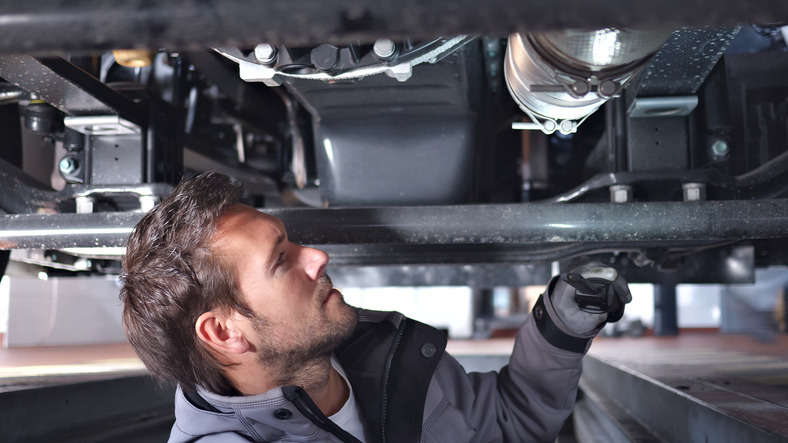
Technicians must also consider heat, moving parts, and exhaust ventilation when performing these checks. Through auto mechanic training, students can develop the mechanical knowledge and inspection skills needed to understand these types of vehicle safety concerns.
Why Does Exhaust System Knowledge Matter for Future Technicians?
Exhaust inspections require more than recognizing a damaged muffler. Technicians must understand how components fit together, interpret customer complaints, and identify faults that could affect passenger safety.
A customer reporting an unusual noise may have a loose heat shield, a damaged hanger, or an actual exhaust leak. Careful diagnosis helps distinguish these problems rather than relying on assumptions.
For students exploring automotive training, exhaust system inspections offer a practical example of how technical knowledge and attention to detail support responsible vehicle maintenance.
Explore Automotive Training at CATI
Winter vehicle inspections highlight the importance of technicians who can recognize mechanical faults and understand their safety implications.
If you’re considering an automotive career, explore CATI school to learn more about training opportunities and the skills involved in inspecting and maintaining vehicle systems.
Would you like to explore training opportunities at CATI School?
Contact us for more information.
Key Takeaways
- Exhaust leak symptoms can include ticking or rumbling noises, visible corrosion, soot deposits, and unusual exhaust odours.
- Carbon monoxide is colourless and odourless, so its presence cannot be reliably detected by smell.
- Winter corrosion, extended idling, and snow-blocked tailpipes can increase exhaust-related safety risks.
- Technicians inspect pipes, mufflers, joints, gaskets, hangers, and manifolds when investigating suspected leaks.
- A suspected carbon monoxide exposure requires immediate movement to fresh air and urgent medical attention.
FAQ
Can an exhaust leak cause carbon monoxide exposure in a car?
Yes. A damaged exhaust system can allow gases containing carbon monoxide to enter the passenger compartment under certain conditions. Because carbon monoxide has no smell or colour, occupants may not recognize the danger until symptoms develop. Suspected exposure should be treated as a medical emergency.
What are the signs of an exhaust leak?
Common signs include ticking, hissing, or rumbling noises, visible rust or holes in exhaust components, soot around connections, and unusual exhaust odours. Some leaks produce few noticeable symptoms, so professional inspection is important.
Why are exhaust leaks especially concerning in winter?
Winter road salt and moisture can accelerate exhaust system corrosion. Drivers may also idle their vehicles more frequently, while snow can obstruct tailpipes and interfere with exhaust dispersal. These conditions make exhaust system integrity and proper ventilation particularly important.
How do technicians inspect exhaust systems for leaks?
Technicians visually inspect exhaust pipes, mufflers, joints, gaskets, hangers, and manifolds for corrosion, damage, and loose connections. They may also use appropriate leak-detection equipment and manufacturer-approved diagnostic procedures to confirm suspected faults while following workshop safety precautions.