Water Pump Problems: Leaks, Bearing Noise, and Overheating Clues
In Brief: Water Pump Problems and Clues
- Coolant leaks, abnormal noise, and overheating can point to Water Pump Problems.
- Similar symptoms can come from other cooling or belt-drive components.
- Technicians confirm the source before recommending replacement.
- Replacement cost varies substantially with vehicle design, parts, and labour.
A coolant puddle appears under the vehicle. A new grinding or rumbling sound develops near the accessory drive. Then the temperature gauge begins climbing. Could the water pump connect all three symptoms?
Possibly, but a good diagnosis requires evidence. The water pump circulates coolant through the engine and cooling system, making its operation important for controlling engine temperature.
In our auto mechanic training, water pump problems provide a useful example of why technicians inspect the complete system before recommending a repair.
What Are Water Pump Problems Symptoms?
Possible signs include coolant leakage around the pump, abnormal bearing or pulley noise, and overheating when coolant circulation is affected. Gates identifies corrosion, deposits, cavitation, and other forms of physical damage as signs of water-pump failure. Its technical guidance also explains that cooling-system contaminants can damage the pump seal, allowing coolant to escape through the weep hole.
However, these bad water pump symptoms are not exclusive to the pump. Coolant can leak from hoses, connections, the radiator, thermostat housing, or other components, while overheating has several possible causes. The first task is therefore to confirm where the problem originates.
How Do You Know If A Water-Pump Bearing Is Failing?
Technicians look for abnormal noise or movement at the pump and determine whether the sound is actually coming from its bearing. That distinction matters in a belt-driven system. Tensioner and idler bearings can also produce noise, and Gates recommends checking pulley-bearing condition when diagnosing unwanted belt or bearing sounds.
Pump-bearing damage can also be related to leakage. Gates explains that severe seal damage can allow coolant to reach the bearings and contribute to bearing failure. Students in our automotive training learn why water pump problem symptoms need to be isolated rather than diagnosed from sound alone.
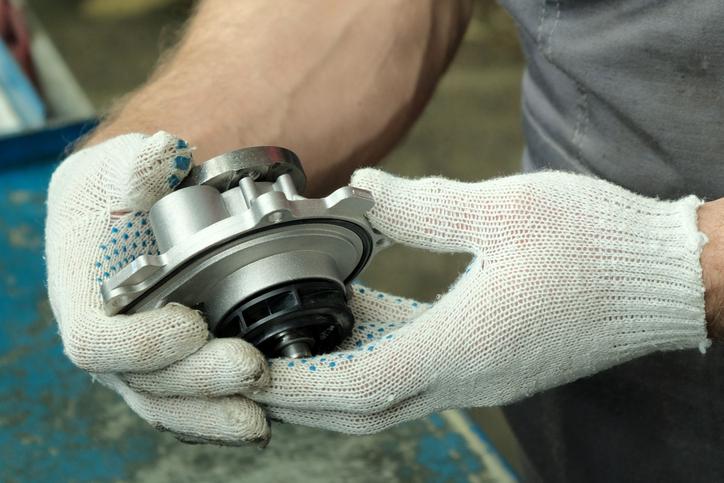
Technicians inspect the pump and surrounding cooling-system components to locate the actual source of a leak
Can A Leaking Water Pump Cause Engine Overheating?
Yes. A significant leak can lower the coolant level and interfere with the cooling system’s ability to control engine temperature. A water pump can also contribute to overheating when it cannot circulate coolant effectively. Gates describes the pump’s role as moving coolant through the engine to maintain appropriate operating temperature.
Still, overheating does not automatically mean the pump has failed. Low coolant from another leak, thermostat problems, radiator restrictions, cooling-fan faults, or other cooling-system conditions may produce similar water pump problems symptoms. That is why technicians combine the driver’s complaint with leak inspection, cooling-system checks, and vehicle-specific service information.
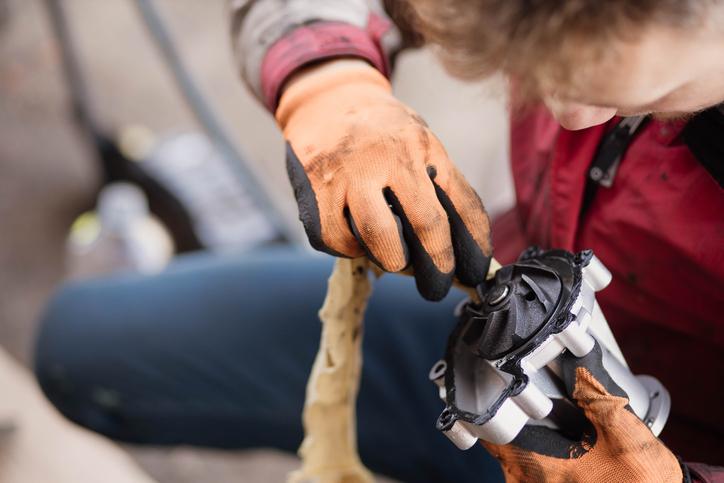
Bearing noise should be isolated because other belt-driven components can produce similar sounds
How much does water-pump replacement usually cost?
There is no single reliable price because parts and labour requirements vary significantly between vehicles. Some pumps are driven by an external accessory belt and may be comparatively accessible. Others are driven by a timing belt or located where substantial disassembly is necessary. Gates lists both accessory-belt-driven and timing-belt-driven water pumps in its applications.
A water pump replacement cost may also include coolant, seals or gaskets, and related components when required by the manufacturer’s repair procedure. For students at CATI school, the more important lesson is that an estimate should follow diagnosis. Confirming the failed component and understanding the repair procedure come before calculating parts and labour.
Are you looking for comprehensive auto mechanic training?
Contact CATI for more information.
Key Takeaways
- The water pump circulates coolant to help regulate engine temperature.
- Leakage, abnormal bearing noise, and overheating can be clues to pump trouble.
- Similar symptoms can originate elsewhere in the cooling or belt-drive system.
- Contaminated coolant can contribute to seal damage and premature pump failure.
- Technicians should isolate bearing noise rather than assume the water pump is responsible.
- Replacement costs depend on vehicle design, accessibility, required parts, and labour.
FAQ
What are the symptoms of a bad water pump?
Possible bad water pump symptoms include coolant leakage near the pump, abnormal bearing or pulley noise, and overheating when coolant circulation or coolant level is affected.
How do you know if a water-pump bearing is failing?
Technicians inspect for abnormal bearing noise or movement and isolate the sound from other belt-driven components before determining whether the pump bearing is responsible.
Can a leaking water pump cause engine overheating?
Yes. A significant water-pump leak can reduce coolant level and contribute to overheating, although technicians should investigate other possible cooling-system faults as well.
How much does water-pump replacement usually cost?
The cost varies by vehicle because pump location, drive system, labour time, replacement parts, coolant, and related repair requirements differ. A vehicle-specific diagnosis and estimate are more useful than a universal price.