Brake Hose Problems: Cracks, Swelling, and Inspection Basics for New Techs
In Brief: Brake Hose Problems Basics
- Flexible brake hoses carry hydraulic pressure while accommodating wheel, steering, and suspension movement.
- Visible brake hose problems can include cracks, bulges, abrasion, leaks, and damaged fittings.
- An internally restricted hose may contribute to a dragging brake or a vehicle pulling to one side.
- A brake hose leak can reduce hydraulic pressure and is a serious safety concern.
- There is no universal replacement interval for every brake hose; technicians follow manufacturer inspection and service guidance.
A brake hose can look like a simple piece of reinforced rubber, but it has an important job. It must carry hydraulic pressure to a wheel brake while remaining flexible as the wheel and suspension move.
That combination of pressure, movement, heat, road contamination, and age makes hose inspection an important part of brake service.
For students beginning auto mechanic training, brake hose problems also demonstrate why visual inspection and symptom-based diagnosis belong together. Sometimes the problem is visible from outside. Sometimes what is happening inside the hose provides the bigger clue.
What Are The Symptoms Of A Bad Brake Hose?
Bad brake hose symptoms can include visible cracking or bulging, fluid leakage, brake drag, pulling during braking, or changes in braking performance.
The hose itself may reveal useful evidence. Technicians look for deterioration, cuts, abrasion, cracks, bulges, leakage, damaged fittings, and incorrect routing.
A brake hose leak deserves immediate attention because the hydraulic brake system depends on maintaining pressure. A damaged hose can also deteriorate internally without displaying an obvious external leak.
That is why students in automotive training learn not to diagnose solely from one symptom. Pulling, for example, might involve a hose, but caliper, tire, suspension, or other brake-system problems may produce similar behaviour.
Can A Collapsed Brake Hose Cause A Vehicle to Pull?
Yes, an internally restricted brake hose can contribute to brake pull if it interferes with normal hydraulic pressure to or from one wheel.
One possible scenario is a restriction that allows pressure to apply the brake but interferes with pressure releasing normally. The affected brake may remain partially applied, producing drag and potentially causing the vehicle to pull. Technical brake troubleshooting information specifically identifies restricted brake lines or hoses as one possible cause when a vehicle pulls to one side.
However, collapsed brake hose symptoms are not unique to hose failure. A sticking caliper, damaged friction components, tire differences, and other faults can produce similar complaints. For a new technician, the important habit is to treat the symptom as the start of diagnosis rather than the answer.
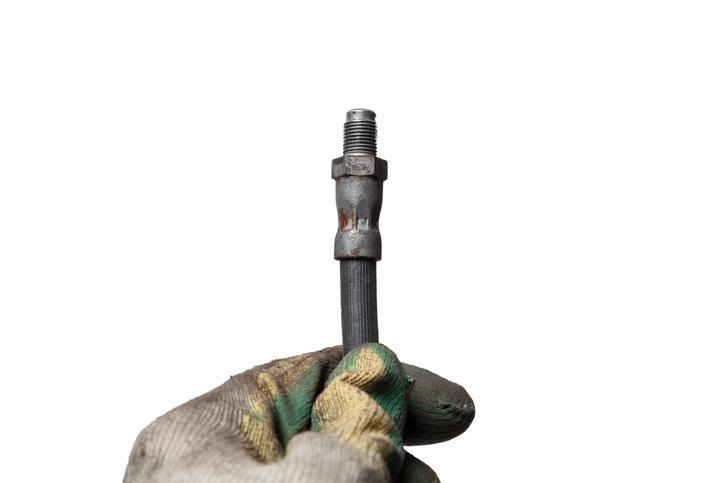
Visible brake hose problems can include cracks, bulges, abrasion, leaks, and damaged fittings
How Do You Inspect Brake Hose Problems?
How do you inspect brake hoses for cracks or swelling? Technicians visually and physically inspect accessible sections of the hose, looking for deterioration, cracking, bulging, abrasion, leakage, and other damage.
The hose should be examined from its body-side connection toward the brake assembly, including areas that may be difficult to see directly. Manufacturer procedures sometimes specify using an inspection mirror to view the back of the hose.
Technicians may also check:
- Hose routing and mounting
- Contact with tires or other components
- Cuts, chafing, or abrasion
- Cracks that become visible as the hose flexes
- Bulges or unusual deformation
- Wetness around the hose or fittings
- Twisting or other installation problems
A cracked brake hose, visible bulge, or leak may require brake hose replacement according to the applicable service information. Manufacturer inspection procedures explicitly call for replacement when specified damage is found.
These basic inspection habits are part of developing the attention to detail expected of technicians trained at CATI school.
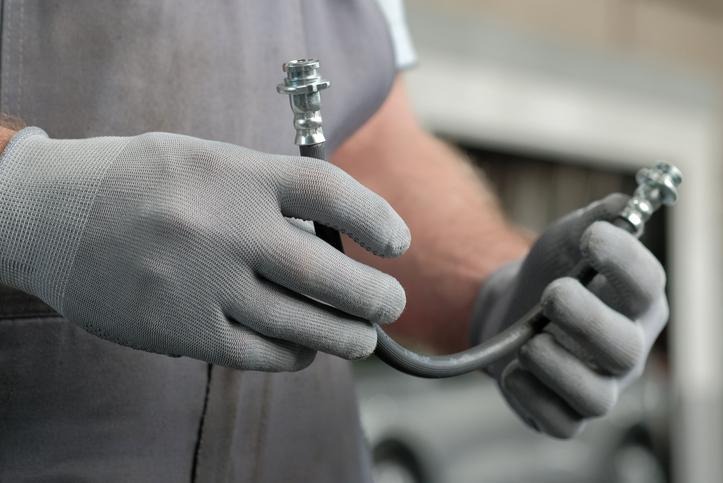
A brake hose must withstand hydraulic pressure while remaining flexible as suspension and steering components move
How Often Should Flexible Brake Hoses Be Replaced?
Flexible brake hoses do not have one universal replacement interval that applies to every vehicle. The correct approach is to follow the vehicle manufacturer’s maintenance and service information. Age is only one consideration. Hose design, mileage, environmental exposure, damage, contamination, routing, and vehicle use can all affect condition.
This is also why inspection matters even when a driver has not reported obvious braking problems. Technicians should never wait for a brake hose leak before paying attention to a hose. Finding abrasion, cracking, swelling, damaged fittings, or incorrect routing during routine service can identify a developing problem earlier.
For new technicians, brake hoses reinforce a broader workshop lesson: small components deserve careful attention when they play a critical role in vehicle safety.
Are you looking for comprehensive auto mechanic training?
Contact CATI School for more information.
Key Takeaways
- Brake hoses carry hydraulic pressure while allowing movement at the wheels.
- Bad brake hose symptoms may include leakage, visible deterioration, brake drag, or pulling.
- Restricted hoses are one possible cause of brake pull, but technicians should rule out other faults.
- Inspection includes checking for cracks, bulges, abrasion, leaks, damaged fittings, and incorrect routing.
- Brake hose replacement should follow manufacturer specifications rather than a universal age-based rule.
- Any suspected hydraulic brake fault requires careful diagnosis because braking performance is safety-critical.
FAQ
What are the symptoms of a bad brake hose?
Symptoms can include cracks, bulges, abrasion, fluid leakage, brake drag, pulling, or changes in braking performance. Some internal restrictions may not be obvious from an external inspection.
Can a collapsed brake hose cause a vehicle to pull?
Yes. A restricted hose can interfere with normal hydraulic pressure at one wheel and contribute to pulling or brake drag. Other brake, tire, and chassis problems can cause similar symptoms.
How do you inspect brake hoses for cracks or swelling?
Inspect the accessible length of each flexible hose and its fittings for deterioration, cracking, bulging, abrasion, leakage, incorrect routing, twisting, and contact with surrounding components.
How often should flexible brake hoses be replaced?
There is no single replacement interval for every vehicle. Technicians should follow the manufacturer’s maintenance schedule and replace hoses when inspection or diagnosis identifies damage or deterioration requiring replacement.