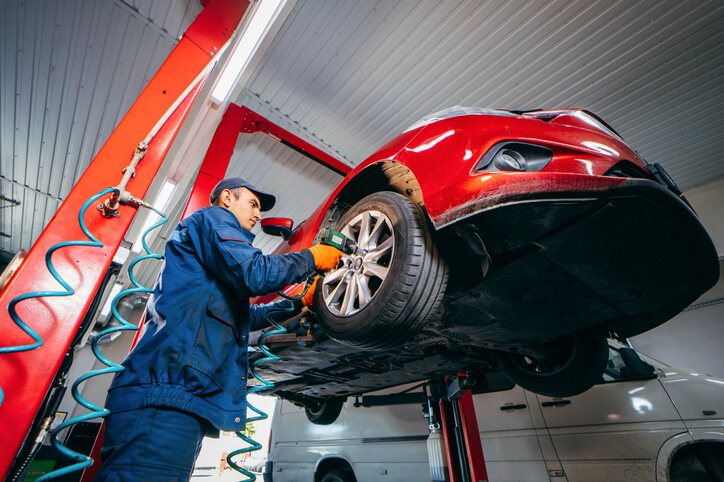
Situational Awareness in the Garage: A Skill Every Mechanic Develops Over Time
Walk into a busy auto repair shop, and everything is in motion: vehicles being moved, tools in use, engines running, and technicians working side by side. In this environment, technical skills alone aren’t enough. Mechanics also rely on situational awareness: the ability to stay alert to what’s happening around them and respond before problems arise.
Situational awareness plays a key role in both safety and efficiency. From moving vehicles to shared equipment, noticing changes in the shop environment helps prevent accidents and keeps work running smoothly. It’s a skill that begins during auto mechanic training and continues to sharpen throughout a mechanic’s career.
What Situational Awareness Means in an Auto Shop
Situational awareness is the habit of actively observing your surroundings, understanding what you’re seeing, and anticipating what could happen next. In a garage, that means being aware of people, vehicles, tools, and potential hazards at all times.
A situationally aware mechanic notices when a coworker is working under a lift nearby, when equipment is about to move, or when something sounds, smells, or looks off. These small observations help mechanics react early, before a minor issue becomes a safety problem or costly mistake.
This awareness follows a simple mental cycle:
- Observe what’s happening in the shop
- Interpret whether it’s normal or risky
- Respond appropriately
For example, noticing a vehicle running indoors, recognizing the risk of exhaust buildup, and taking action to ventilate the area. This process becomes faster and more natural with experience.
These habits are introduced early in auto mechanic training, where students learn to work safely in real shop environments.

Why Situational Awareness Is Critical in the Garage
Auto repair shops are dynamic environments with real hazards: heavy vehicles, hot engines, power tools, and tight workspaces. A brief lapse in awareness, missing a spill on the floor or not noticing a vehicle backing up can lead to injury or damage.
Safety First
Most shop accidents don’t happen because hazards weren’t present; they happen because hazards weren’t noticed in time. Staying alert helps mechanics spot risks early, whether it’s an unsecured lift, leaking fluid, or a coworker about to start an engine nearby. Catching these issues early is often what prevents injuries.
Efficiency and Teamwork
Situational awareness also improves workflow. Mechanics who pay attention to what others are doing avoid unnecessary interruptions, coordinate tasks better, and communicate more effectively. Shops with strong safety habits often experience less downtime, fewer mistakes, and smoother day-to-day operations. Awareness protects individuals while supporting the whole team.
This is why safety-focused habits are reinforced through hands-on automotive training, where students practice identifying risks in real time.
What Mechanics Stay Aware Of on the Job
In practice, situational awareness means continuously monitoring a few key areas:
- Coworkers’ locations and tasks, especially around lifts or moving vehicles
- Vehicle and equipment movement, including hoists, jacks, and running engines
- Immediate hazards, such as spills, loose tools, hot surfaces, or exposed wiring
- Unusual sounds, smells, or vibrations, which often signal developing problems
- What’s above, behind, and around you, not just what’s in front
This awareness is ongoing. New tasks, unfamiliar vehicles, or busy periods require extra focus.
How Auto Mechanic Training Builds Situational Awareness

Situational awareness isn’t always instinctive; it needs to be learned. Auto mechanic training programs emphasize safety habits from day one, teaching students how to think like professionals in real shop environments.
During hands-on training, students practice scanning their work area, communicating with classmates, and preparing before each task. Instructors reinforce habits such as checking lift security, organizing tools, and alerting others before starting engines or machinery. Over time, these checks become routine.
Experience strengthens this skill further. As students gain exposure to different vehicles and scenarios, they begin to recognize warning signs more quickly. Near-misses and mistakes become learning moments, reinforcing the importance of staying alert at every step.
By the time students graduate, situational awareness is no longer a conscious effort—it’s part of how they work.
A Skill Employers Notice
Strong situational awareness is highly valued in the automotive industry. Employers know that technical skills can be taught, but good work habits and safety awareness come from training and mindset. Mechanics who stay alert, communicate clearly, and don’t cut corners earn trust quickly and are often seen as reliable team members.
Situational awareness is a quiet but powerful skill. It keeps mechanics safe, supports teamwork, and prevents many problems before they happen. Developed through training and reinforced through experience, it becomes second nature over time.
Whether just starting out or years into a career, one rule always applies in the garage: stay aware. It’s one of the most important tools a mechanic can have—without ever picking it up.
Are you ready to start your journey?
Discover how CATI School can help you build the skills that matter most in today’s automotive industry.