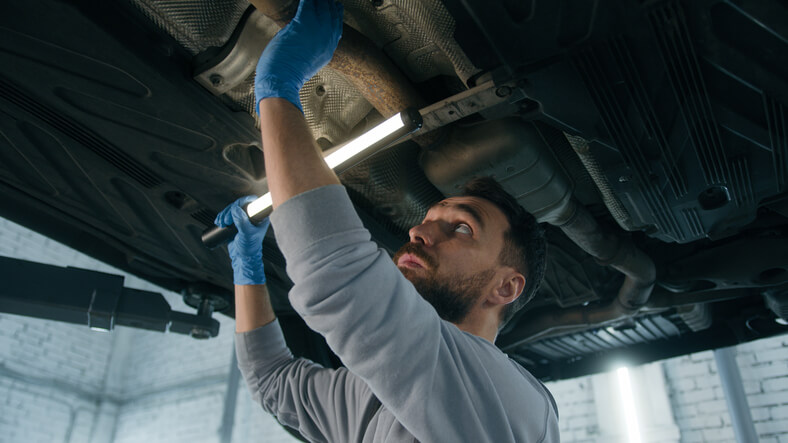
Catalytic Converter Theft: Why It Matters to Aspiring Mechanics
Catalytic converters may not be the most glamorous part of a vehicle, but they’re among the most valuable. In recent years, theft of these essential components has skyrocketed, creating new challenges for drivers, shop owners, and future technicians. If you’re considering auto mechanic training, this is an issue you can’t afford to ignore.
At CATI School, we prepare students for the realities of the modern repair shop, and that includes staying informed on criminal trends affecting the industry. Let’s take a look at why catalytic converters are being stolen, what it means for aspiring technicians, and how automotive training can prepare you to respond effectively.
Why Are Catalytic Converters Being Stolen?
Catalytic converters are part of a vehicle’s exhaust system and play a critical role in reducing harmful emissions. They contain precious metals like platinum, palladium, and rhodium, materials that can fetch high prices on the black market. Thieves target them because:
- They’re accessible (especially in SUVs and trucks)
- Removal takes only a few minutes
- There’s little traceability, making resale easier
The spike in thefts has led to insurance claims, service delays, and financial burdens for car owners. For technicians, this trend means a growing number of customers seeking diagnostics, replacements, and protective solutions.

What This Means for Students in Auto Mechanic Training
If you’re pursuing automotive training at CATI, understanding this theft trend has practical benefits. You’ll likely encounter vehicles with missing or damaged catalytic converters during your career. That means learning how to:
- Diagnose signs of catalytic converter theft (such as loud exhaust or check engine lights)
- Replace or repair stolen parts with precision
- Advise customers on theft prevention (like installing protective shields or parking strategies)
This is also an opportunity to build trust with clients. A technician who understands both the mechanical and security sides of the issue will stand out in the industry.
The Role of Automotive Training in Combating Theft
Modern automotive training goes beyond mechanical basics; it also prepares you to stay current with industry trends and consumer concerns. At CATI School, students are trained to assess damage, recommend effective repairs, and work with insurance claims and diagnostic tools that can help verify theft-related issues.
Technicians may also be called upon to install aftermarket theft-prevention devices or educate customers on safeguarding their vehicles. That’s why having real-world knowledge, not just classroom theory, is so important.
How This Impacts the Auto Repair Industry
Catalytic converter theft is more than just an inconvenience. It affects inventory, repair timelines, and customer trust. As an aspiring technician, you’ll need to think critically and work efficiently when a client rolls in with this kind of damage.
Graduates from the CATI school are better equipped to respond to evolving challenges like this one. With hands-on experience and industry-aware instruction, new grads can confidently handle both everyday repairs and less common, but growing, issues like catalytic converter theft.

A Teachable Moment for Future Techs
For students at CATI, every headline about catalytic converter theft is more than a news story; it’s an industry lesson. Understanding this issue allows you to:
- Improve your diagnostic and communication skills
- Offer valuable advice to customers
- Strengthen your readiness for a fast-changing industry
If you’re ready to start your journey in auto mechanic training, this is the kind of topic you’ll need to thoroughly understand. It’s not just about fixing what’s broken. It’s about being a trusted expert in the shop.
Do you want to train with real-world examples and experienced instructors who understand what today’s shops face? Begin your automotive training at CATI school and become a technician who’s ready for a challenge.
Explore auto mechanic training programs at CATI.
Contact CATI now!