What Automotive Service Customers Really Want in 2026
TL;DR: Auto service customer expectations 2026 include seamless digital convenience, transparency, and a personal touch. They want to book appointments online, get updates via text, see honest pricing with no surprises, and feel valued and heard by friendly staff. Shops that embrace technology for quick communication, provide clear and upfront service, and go the extra mile to build trust will win loyal customers.
Introduction
The automotive service landscape is evolving, and auto service customer expectations for 2026 are changing. Modern customers want an exceptional experience from start to finish. With technology at their fingertips and plenty of options to choose from, people have higher expectations for convenience, honesty, and customer care. If you’re training to be an auto mechanic or planning to run a garage, understanding what service customers really want will help you stand out.
Let’s explore the top things today’s drivers expect when they bring their car in for service, and how you can deliver those in your future automotive career.
1. Convenient Digital Communication is a Must
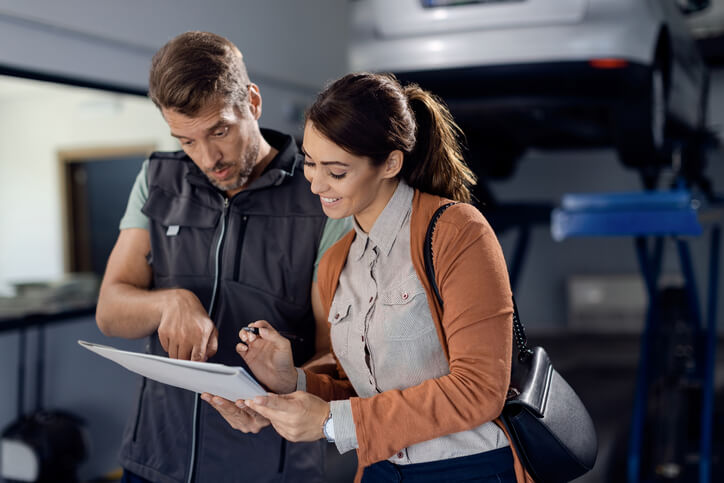
Today’s customers live on their smartphones. They expect easy, digital ways to interact with auto shops. In fact, studies show most service customers prefer text updates over phone calls, and poor communication is one of the main reasons they switch service providers. What does this mean for you? Make it simple for customers to reach you and stay informed:
- Online booking and scheduling: Allow customers to book service appointments through a website or app instead of making them call.
- Text or SMS updates: Send progress reports and repair updates via text message. Clients appreciate getting a quick “Your car is ready for pickup” or “We’re starting on your brakes now” message.
- Fast responses: Whether it’s answering questions or confirming appointments, prompt replies show professionalism.
- After-hours communication: Consider chatbots or web forms so customers can contact the shop 24/7. This way, even when you’re closed, their message is received.
By embracing digital communication, you’ll meet customers on their terms. As taught in our automotive service advisor training program, clear and timely communication keeps customers happy and builds trust from the get-go.
2. Transparency and Honesty Build Trust
Trust is the foundation of any good customer relationship, especially in auto service, where the average person might feel anxious about car repairs. Customers in 2026 want you to be upfront and transparent every step of the way. Surprises are great for birthdays, not for bills! Here’s how you can foster trust through transparency:
- Clear estimates: Always provide an accurate quote before doing any work. Explain what needs fixing and exactly how much it will cost. If something unexpected comes up, let the customer know immediately and get their approval.
- No unnecessary upsells: Customers can tell when they’re being sold services they don’t need. After your auto mechanic training, you’ll know how to honestly assess a vehicle. Recommend only what’s truly needed for safety and performance.
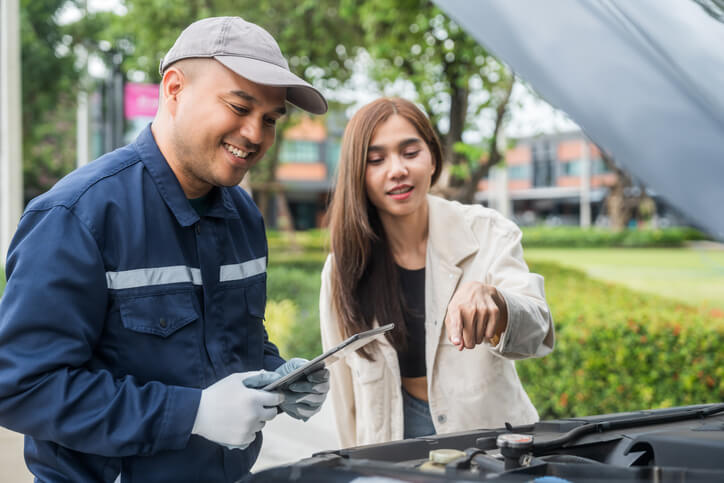
- Show and tell: Use visuals to help explain repairs. For example, you might show the worn brake pads or send a quick photo of a leak. Many modern shops use digital inspection reports with photos or videos – a great way to prove you’re not hiding anything.
- Accurate timelines: Be realistic about how long repairs will take. Interestingly, many clients say they value accurate timelines over simply fast service. In other words, they don’t mind if a job takes a bit longer as long as you deliver when you promised and keep them informed.
When customers feel you’re being honest and straight with them, they’re far more likely to trust your expertise. Transparency turns anxious first-timers into repeat clients. It’s a lesson every mechanic and service advisor learns early: honesty truly is the best policy in automotive service.
3. Speed, Efficiency, and Convenience Matter
Nobody likes wasting time, and in 2026, efficiency is king. Busy customers want their automotive service experience to be as quick and smooth as possible, without unnecessary delays. That means streamlining the whole process so it feels easy for the customer. Consider these efficiency boosters:
- Streamlined check-in: Long waits at the counter can start a visit off on the wrong foot. Use tools like tablet-based or mobile check-in to gather info fast when customers arrive. Even better, have an online pre-check-in so they can fill out details before coming.
- Express services: For common tasks like oil changes or tire swaps, offering an express lane or quick-service option can be a huge plus. Customers appreciate when they can be in and out for minor services.
- Status updates: As mentioned earlier, keep customers in the loop. If a repair is taking longer, let them know as soon as possible rather than leaving them wondering. This ties back to good communication and transparency.
- Flexible options: Convenience can also mean offering a shuttle service, pick-up/drop-off for vehicles, or loaner cars when available. Little extras like these make a big difference for someone juggling work and family while their car is in the shop.
- Easy payment: Don’t make checkout a chore. Using mobile payment links or having a quick pay system at the counter will end the visit on a high note.
By focusing on efficiency, you show respect for your customers’ time. A smooth, convenient experience, from booking to pick-up, will have people driving away with a smile. During your automotive training, pay attention to workflow and shop management tips that help make service visits hassle-free.
4. Personal and Friendly Service
High-tech tools and speed are important, but so is the human touch. Automotive service customers want to feel like more than just a number or a license plate. A friendly, personalized approach goes a long way in making customers feel valued:
- Warm welcomes: Greet customers promptly with a smile when they walk in. A simple “Good morning, how can I help you today?” sets a positive tone.
- Remember repeat customers: If you’ve serviced someone’s car before, try to recall their name or their vehicle. Imagine returning to a shop and hearing, “Hi Alex, how’s the Civic running since we last saw you?” It makes a huge impression!
- Listen and empathize: Let the customer explain the car’s issue in their own words and show that you care. As an automotive professional, you know cars, but the customer knows how the car’s problem affects them. Maybe it’s their only vehicle, or they’re nervous about the cost, but showing empathy builds rapport.
- Explain in plain language: Technical jargon can confuse or alienate customers. Great mechanics and service advisors break down complex repairs into simple terms. This respectful communication makes the client feel comfortable and included in the process.
- Go the extra mile: Small gestures can win hearts. This might be washing the car after service, vacuuming the interior, or even just setting the radio presets back to how the customer had them. These little surprises show you care about quality and details.
When customers receive warm, personalized service, they’re more likely to trust your advice and come back next time. Building these people skills during your training and early career will set you apart. After all, cars are machines, but the people driving them are what truly matter in the service business.
5. Keeping Up with Technology and Trends
The year 2026 isn’t the same old auto shop world. New tech and trends are shaping customer expectations, too. Today’s drivers are tech-savvy and look for shops that stay up-to-date. Here are a few modern factors customers appreciate:
- Digital presence: Believe it or not, the customer experience often starts online. Many folks will check your website or online reviews before choosing where to go. A professional website, active social media, and positive review scores help establish trust even before they call or visit.
- Modern amenities: While waiting, customers enjoy perks like free Wi-Fi, good coffee, clean waiting areas, and maybe a comfortable couch. It shows you care about their comfort. Some shops even provide real-time repair progress screens in the lobby – a cool touch that keeps customers informed.
- Advanced vehicle knowledge: With more electric and hybrid vehicles on the road, customers want to know their mechanic is qualified to handle these technologies. Keeping your skills updated (for example, getting EV certification or training) will attract customers who drive the latest models.
- Green practices: More people today appreciate businesses that are environmentally conscious. Simple things like proper recycling of oil and parts, or offering paperless invoices, can appeal to eco-minded clients.
- Consistent processes: Customers expect the same level of service every time. Using checklists or digital systems can ensure no step is missed, providing a reliable experience. It also means if they visit any of your shop’s locations (if you have multiple), they get the same treatment.
Staying current with industry trends and technology shows customers you’re professional and proactive. Whether it’s using a new diagnostic tool or implementing a customer-friendly app, these efforts reassure clients that your shop is forward-thinking and competent. Future shop owners should always be on the lookout for innovations that improve service quality and customer satisfaction.
Key Takeaways
- Trust comes first: Above all, vehicle owners in 2026 want honesty, transparency, and quality work from their auto repair shop.
- Digital presence matters: Customers heavily research online. Positive reviews and an informative website often make the difference in choosing a service center.
- Value over rock-bottom price: Drivers are more price-conscious than before, but they still prioritize fair value and good service over the absolute lowest quote.
Are you looking to start a career where you can put these customer service principles into practice? World-class training is the first step.
Contact CATI school today to learn more about our programs, from automotive service technician training to automotive service advisor training courses. Get the skills you need to not only fix cars, but also to wow your future customers!
FAQs
Q: What do automotive service customers want most in 2026?
A: They mainly want convenient, transparent, and trustworthy service – things like easy online booking, honest communication, and quality work they can rely on.
Q: Why is communication important in auto service?
A: Good communication keeps customers informed and comfortable. When you update customers regularly and explain things clearly, they feel respected and are more likely to trust your work.
Q: How have customer expectations changed for auto shops?
A: In recent years, customers expect more digital convenience (like texts and online scheduling) and a higher level of service. They compare their auto shop experience to other fast, convenient services in their lives.
Q: What role does transparency play in customer satisfaction?
A: Transparency, being upfront about costs, timing, and repairs, builds trust. When customers aren’t surprised by extra fees or delays, they feel more satisfied and confident in your service.
Q: How can an auto shop be more convenient for customers?
A: Offering conveniences like flexible appointment times, shuttle rides or loaner cars, quick turnaround for simple services, and multiple communication channels makes the experience easier for customers.
Q: Why does personalization matter in automotive service?
A: Personal touches (greeting by name, remembering past issues, listening to concerns) make customers feel valued. When people feel valued, they’re happier with the service and more likely to come back next time.