Coolant Leak Diagnosis: How Techs Find the Source Without Guessing
TL;DR
How to find a coolant leak starts with a structured inspection. Technicians check the coolant level, look for visible residue, inspect hoses and the radiator, use pressure testing, and confirm whether the leak happens when the system is hot, cold, or under pressure. Finding the source matters because coolant leaks can cause overheating, engine damage, and repeated repair issues.
How to find a coolant leak? A coolant leak can start small, but it should never be ignored. A few drops under a vehicle may not look serious at first, yet the cooling system depends on maintaining the right fluid level and pressure.
When coolant escapes, the engine can overheat. If that continues, damage can become expensive quickly. That is why technicians do not guess where the leak is coming from. They trace it step by step.
How To Find A Coolant Leak?
Coolant moves through the radiator, hoses, water pump, thermostat housing, heater core, engine passages, and reservoir. A leak can appear at any of these points, so technicians begin with a full visual inspection.
They look for wet areas, dried coolant residue, staining, cracks, swollen hoses, loose clamps, and signs of overheating. Some leaks are easy to see. Others only appear when the engine is hot and the system is pressurized.
NAPA Canada notes that coolant level and leaks should be monitored because overheating can point to cooling system problems. That is why technicians treat low coolant as a clue, not a final diagnosis. For students in auto mechanic training, coolant leak diagnosis is a practical lesson in observation, testing, and confirmation.
How Do You Check for Coolant Leaks?
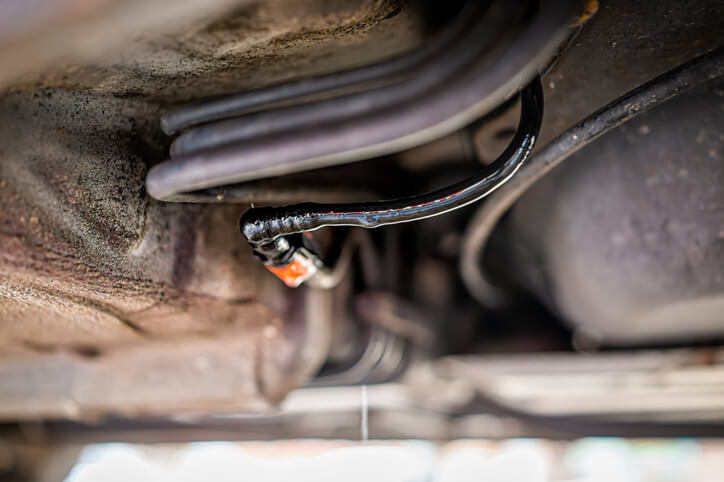
Technicians usually begin with the basics: coolant level, smell, stains, and pressure. Coolant often leaves coloured residue behind, depending on the coolant type. It may also produce a sweet smell when leaking onto hot engine parts. Under the vehicle, technicians may find drips near the front, centre, or passenger-side firewall area.
If the leak is not obvious, a cooling system pressure test may be used. This tool pressurizes the system without needing the engine to run. If pressure drops, the technician knows coolant is escaping somewhere.
This helps confirm the leak source before parts are replaced. Students in automotive training learn that a pressure test is useful because it recreates operating pressure in a controlled way.
How Do Technicians Detect Hidden Coolant Leaks?
The question of how to detect a coolant leak becomes more complicated when the leak is internal or intermittent.
Some leaks only happen when the engine reaches operating temperature. Others may evaporate before they drip onto the ground. In those cases, technicians may use UV dye, inspection lights, or scan data to support the diagnosis.
Hidden coolant leak clues may include:
- Unexplained coolant loss
- Overheating with no visible leak
- White exhaust smoke
- Coolant smell inside the cabin
- Wet carpet near the heater core
A technician may also check the oil and exhaust for signs of internal coolant leakage. If coolant enters the engine, the issue may involve a head gasket, intake gasket, or internal component failure.
This is why coolant leak diagnosis needs patience. The first visible symptom may not be the true source.
How Much Does It Cost to Fix a Coolant Leak?
This depends entirely on the source. A loose clamp or minor hose replacement is usually far less expensive than a radiator, water pump, heater core, or internal engine repair. Labour time also matters. Some parts are easy to access, while others require significant disassembly.
When customers ask how much to fix a coolant leak, technicians first need to confirm:
- Where the leak is located
- Whether the part can be repaired or must be replaced
- Whether overheating caused additional damage
- Whether the system needs flushing or bleeding afterwards
Without a diagnosis, any estimate is only a guess. Confirming the source first helps avoid unnecessary repairs and surprise costs.
How Do You Fix a Coolant Leak?
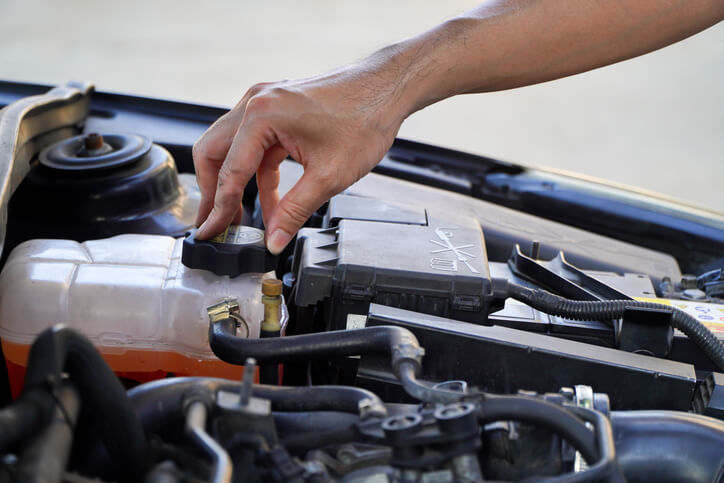
The answer depends on what failed. A leaking hose may require a new hose and clamp. A radiator leak may require replacement if the core or plastic tank is cracked. A leaking water pump often requires pump replacement, and a heater core leak can involve more labour because of its location inside the vehicle.
Automotive students explore how to fix a coolant leak from the radiator during training. In a professional setting, technicians usually identify whether the leak is coming from the radiator itself, a hose connection, the drain plug, or the cap area. The repair depends on the exact source.
Temporary stop-leak products may seem convenient, but technicians are careful with them because they can create other cooling system issues. A proper repair addresses the cause, refills the system with the correct coolant, removes air pockets, and verifies that the leak is gone.
At a CATI school, students learn that fixing the leak is only part of the job. The repair must also prevent repeat overheating and future failures.
Why Coolant Leak Diagnosis Matters for New Technicians
Coolant leaks are common, but they can create serious damage if handled poorly. A technician who guesses may replace the wrong part and miss the real problem. A technician who diagnoses carefully can explain the failure, repair it correctly, and verify the result.
Cooling system work also teaches important habits: inspect before replacing, test before assuming, and confirm the repair before returning the vehicle. Those habits apply across the entire automotive trade.
Are you looking for automotive training with hands-on experience?
Contact CATI for more information.
Key Takeaways
- Coolant leak diagnosis starts with visual inspection and coolant level checks.
- Pressure testing helps confirm leaks that are not obvious.
- Hidden leaks may require dye, scan data, or further engine inspection.
- Repair cost depends on the leak source, access, parts, and labour.
- A proper repair includes refilling, bleeding, and verifying the cooling system.
FAQ
How to find a coolant leak?
Technicians find coolant leaks by inspecting hoses, the radiator, water pump, reservoir, thermostat housing, heater core area, and engine components. They look for wet spots, stains, dried coolant residue, odour, and overheating clues.
How do you check for coolant leaks?
Coolant leaks are checked through visual inspection, coolant level checks, pressure testing, and sometimes UV dye. Pressure testing is especially useful because it helps reveal leaks while the engine is off.
How much does it cost to fix a coolant leak?
The cost depends on the source of the leak. A hose or clamp repair may be simpler, while radiator, water pump, heater core, or internal engine repairs can cost more due to parts and labour.
How do you fix a coolant leak?
Technicians fix coolant leaks by replacing or repairing the failed component, refilling the system with the correct coolant, bleeding air from the system, and confirming the leak is gone under pressure.